
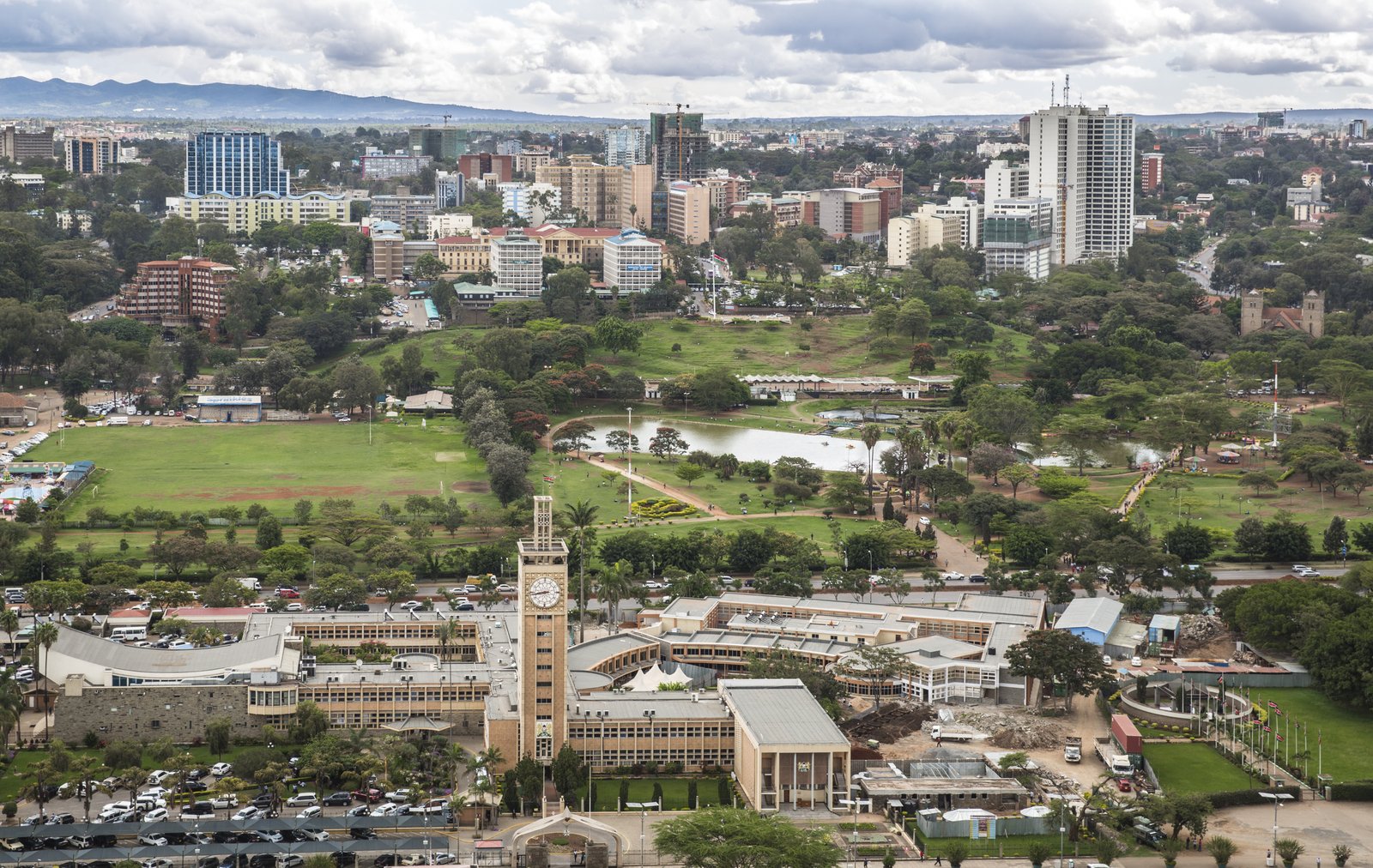

Kenya marked the UN’s International Day of Democracy on September 15, and this year’s global theme — “bring human rights into focus” — landed at a pointed moment for the country’s civil society. With the 2027 general election now inside an 18-month runway, a cluster of Kenyan NGOs and coalitions is already doing the unglamorous work that keeps a democracy functioning between elections: training voters, monitoring the electoral commission’s reforms, and pushing back where civic space is closing. Here’s who’s doing what, and how NGO staff, donors and volunteers can plug in.
Why does civil society matter for Kenya’s democracy right now?
Kenya’s next general election is scheduled for August 2027, but the groundwork — voter roll audits, boundary reviews, campaign finance rules, civic education — happens years ahead, largely outside the news cycle. Independent monitors have flagged a familiar pattern in the run-up to past Kenyan elections: a narrowing of civic space, tighter scrutiny of NGOs seen as “political,” and disinformation that outpaces fact-checking capacity. Kenya’s shrinking civic space is not a new story for readers of this site — but it is the backdrop against which every civic-education and election-observation program below now operates.
Which Kenyan organizations are working on democracy and elections?
A handful of established civil-society bodies carry most of the election-preparedness work in Kenya. None of this is invented — each is a real, currently active organization or program as of September 2026. The Independent Electoral and Boundaries Commission (IEBC) itself has begun convening stakeholder workshops to co-create voter-education targets ahead of 2027, giving these NGOs a formal seat at the table rather than working purely in parallel.
| Organization / Program | Focus |
|---|---|
| Elections Observation Group (ELOG) | National election observation network of CSOs and faith-based organizations; trains citizen observers and tracks electoral reform progress ahead of 2027 |
| Uraia Trust | Runs “Rooting Democracy in Kenya through Informed Citizenry,” a civic-education program implemented with more than 50 CSO partners nationwide |
| Kenya Deepening Democracy Programme (DDP) | Donor-backed initiative improving electoral processes and government accountability; has produced hundreds of thousands of civic-education materials reaching millions of Kenyans |
| National Cohesion and Integration Commission (NCIC) multi-stakeholder forum | Convenes electoral bodies, oversight institutions, law enforcement and media to coordinate ahead of 2027, with a February 2026 session focused on trust in a more digital electoral environment |
What is civil society actually doing to prepare for the 2027 election?
Civic and voter education
Much of the visible work is civic education: explaining how the IEBC registration process works, what a credible candidate vetting process looks like, and how citizens can report irregularities. Uraia Trust and its partner network run this at grassroots level, often through local radio, community meetings and school programs rather than one-off national campaigns.
Election observation and monitoring
ELOG’s model combines field monitoring with longer-term reform tracking — following up on recommendations from the 2022 cycle to see whether they’ve actually been implemented before 2027, rather than only showing up on polling day. This kind of sustained monitoring is what gives election observation credibility with both domestic and international audiences.
Protecting civic space itself
A recurring worry among governance-focused CSOs is that the pre-election period brings more scrutiny of NGOs themselves — funding restrictions, registration delays, or public accusations of foreign interference aimed at organizations doing voter education or advocacy work. Groups working on this overlap closely with the broader civic-space and PBO Act compliance questions Kenyan NGOs are already navigating in 2026.
How can NGO staff, donors or volunteers get involved?
- Volunteer as a citizen observer: ELOG and similar networks periodically recruit and train citizen observers ahead of election-related exercises — by-elections, voter registration drives, referenda — as practice runs for 2027.
- Fund civic education, not just observation: Donors often gravitate to funding observation missions around polling day; civic-education work in the years before an election is chronically underfunded relative to its impact.
- Support digital literacy programs: With more of the electoral process moving online — registration checks, results transmission, disinformation on social platforms — NGOs building digital literacy and fact-checking capacity are addressing a gap that didn’t exist in the same form in past cycles.
- Advocate on civic space protections: Rights-focused NGOs can use the current pre-election window to push for clearer, less arbitrary rules on NGO registration and funding disclosure, before pressure on the sector intensifies closer to 2027 — the same coalition-building approach already used in advocacy for marginalized communities in Kenya.
The United Nations frames the International Day of Democracy around exactly this kind of groundwork: consultative, participatory processes where “people from across societies” shape decisions rather than being consulted only every five years at the ballot box. For Kenya’s NGO sector, the 2026–2027 window is the actual work, not the warm-up.
Frequently Asked Questions
When is Kenya’s next general election?
Kenya’s next general election is scheduled for August 2027, following the standard five-year electoral cycle set out in the constitution.
What does ELOG do in Kenya?
The Elections Observation Group (ELOG) is a national civil-society and faith-based network that trains citizen observers, monitors electoral processes, and tracks whether reforms recommended after past elections are actually implemented.
Why is civic space shrinking around Kenyan elections?
Governance-focused NGOs and advocacy groups typically face heightened scrutiny, funding restrictions or accusations of political interference in the run-up to Kenyan elections — a pattern civil-society monitors have flagged repeatedly ahead of 2027.
How can a small NGO get involved in election-related civic education?
Smaller NGOs can partner with established networks like Uraia Trust’s CSO coalition rather than building parallel civic-education programs from scratch, and can focus funding proposals on underfunded areas like digital literacy and disinformation response.
What is the theme of International Day of Democracy 2026?
The 2026 theme, set by the Inter-Parliamentary Union, is “bring human rights into focus,” with the UN Secretary-General emphasizing participatory decision-making that builds trust across society.
Sources: United Nations, International Day of Democracy; IEBC.
By the NGOs.ke Editorial Team


Leave your comment