
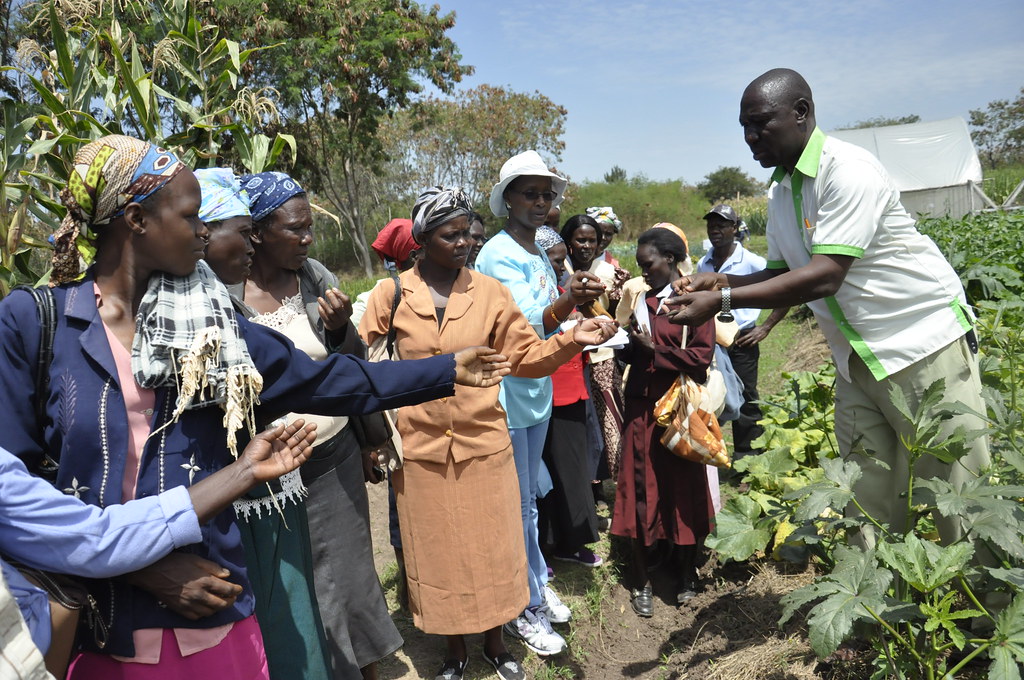

Looking for NGO grants in Kenya in 2026? Start with three tracks: recurring donor programs that reopen every year (like the US Embassy’s Self-Help Fund), grant databases that aggregate live calls (GrantStation, fundsforNGOs, DevelopmentAid), and your own registration status — because whether you’re registered as a PBO, a CBO, or a trust determines which funders will even consider your application. Most “grants in Kenya” lists online go stale within weeks. This guide focuses on funding sources that are either open now, reopen predictably, or worth bookmarking because they update constantly.
Why finding NGO funding in Kenya feels harder in 2026
Kenyan NGOs are competing for a smaller pool of money than they were two years ago. USAID’s 2025 funding freeze and subsequent restructuring pulled a significant share of bilateral aid out of the sector overnight — we covered the fallout in Kenya’s NGOs After USAID: The 2026 Funding Reckoning. European and private philanthropic funders have partly stepped in, but they tend to run smaller, more competitive calls with tighter eligibility criteria than the bilateral grants they’re replacing. That makes knowing exactly where to look — and applying with a registration status that actually qualifies — more important than it used to be.
Does your registration status affect which grants you can apply for?
Yes, and this trips up more organizations than it should. Kenya’s Public Benefit Organizations Regulatory Authority (PBORA), formerly the NGO Coordination Board, oversees registration for PBOs, while community-based groups often register instead as CBOs with county social services offices, or as trusts. Many international donor grants require full PBO registration and a compliance certificate before they’ll even open an application portal; others, like several community-level US Embassy programs, specifically want registered self-help groups or CBOs rather than large NGOs. If you haven’t sorted out which category fits your organization, our guide on how to register an NGO in Kenya (PBO, CBO, or Trust) walks through the differences before you start applying anywhere.
Where can Kenyan NGOs find grant funding right now?
Below are funding sources that are either accepting applications on a rolling basis through the rest of 2026, or are reliable enough to check monthly. This isn’t a list of every open call — for specific time-bound opportunities, see our companion piece, NGO Grants in Kenya: 3 Funding Calls Still Open in 2026, which we update as calls close and new ones open.
| Funder / Platform | Who it’s for | Typical amount | Deadline pattern |
|---|---|---|---|
| US Embassy Ambassador’s Special Self-Help Fund | Registered self-help groups, CBOs, youth groups (not registered NGOs) | $1,000–$10,000 (most awards $3,000–$7,000) | Rolling; applications due by 31 December each year |
| RSWR Seed Grants (Right Sharing of World Resources) | Small, women-led grassroots groups in western Kenya counties (Siaya, Kisumu, Homa Bay, Kakamega, Bungoma and neighbouring counties) | Up to $5,500 | Twice yearly — 30 June and 31 December |
| GrantStation | Registered NGOs (subscription-based directory) | Varies — lists roughly 80+ active Kenya-tagged opportunities at any time | Continuously updated |
| fundsforNGOs | NGOs, CBOs, individuals | Varies; free listings plus a paid membership tier | Continuously updated, several new Kenya listings weekly |
| DevelopmentAid Grants Database | Registered NGOs, consultants, implementing partners | Varies, skews toward larger institutional grants | Continuously updated |
None of these require you to pay to apply for the underlying grant — if a “funding opportunity” asks for an upfront processing fee before you can even submit a proposal, treat that as a red flag, not a shortcut.
How do you actually win a grant in a more competitive funding market?
A few things matter more now than they did when bilateral money was flowing more freely:
- Lead with outcomes, not activities. Funders replacing USAID money are often smaller foundations with leaner staff reviewing more applications than before — a proposal that states the measurable change in its first paragraph gets read more carefully than one that opens with organizational history.
- Match the funder’s actual geography and theme. RSWR only funds a specific set of western Kenya counties; the Self-Help Fund excludes registered NGOs entirely. Reading eligibility criteria before writing a word of the proposal saves real time.
- Show co-funding or community contribution where it’s expected. Several small-grant programs, including the US Embassy fund, expect the applicant or community to contribute roughly a quarter of the project’s cost — budgeting this in from the start signals seriousness.
- Keep your compliance paperwork current. A lapsed PBO annual return or an out-of-date board list is a common, avoidable reason applications get shortlisted out before anyone reads the narrative.
Is your organization actually ready to apply?
Before spending days on a proposal, confirm three things: your registration is active and in good standing with PBORA or the relevant county office, your most recent audited accounts (or a simple financial statement, for smaller CBOs) are ready to attach, and you can name the specific outcome the grant will fund in one sentence. Organizations that skip this checklist tend to lose time on applications they were never eligible for in the first place.
Frequently asked questions
Do I need to be a registered NGO to apply for grants in Kenya?
Not always. Some funders, including the US Embassy’s Self-Help Fund, specifically target unregistered or community-registered groups such as self-help groups and CBOs rather than formally registered NGOs. Others require full PBO registration. Always check the specific funder’s eligibility section first.
Are there grants in Kenya that don’t have a fixed deadline?
Yes. The US Embassy’s Ambassador’s Special Self-Help Fund accepts applications on a rolling basis year-round, with a soft cutoff of 31 December for that calendar year’s funding round. Several grant databases like GrantStation and fundsforNGOs also list new time-bound calls continuously rather than on a fixed annual cycle.
How much funding can a small Kenyan NGO realistically expect from these sources?
Community-level grants from sources like RSWR or the Self-Help Fund typically range from $1,000 to $10,000 per project. Larger institutional grants listed on platforms like DevelopmentAid or GrantStation can run into six figures, but usually require a longer track record, audited financials, and more detailed monitoring and evaluation frameworks.
Is it safe to pay a fee to apply for an NGO grant?
No legitimate grant requires an upfront fee to submit an application. If a listing asks for payment before you can apply, verify it directly against the funder’s own official website before proceeding — it is very likely a scam targeting NGOs.
Where can I find grants specifically closing soon?
Check our companion article, NGO Grants in Kenya: 3 Funding Calls Still Open in 2026, which we refresh as calls close, and cross-reference against the Public Benefit Organizations Regulatory Authority’s own registration portal to confirm your organization’s status before applying anywhere.
For official registration status checks and compliance requirements, Kenyan NGOs can consult the Public Benefit Organizations Regulatory Authority directly.
By the NGOs.ke Editorial Team


Leave your comment