
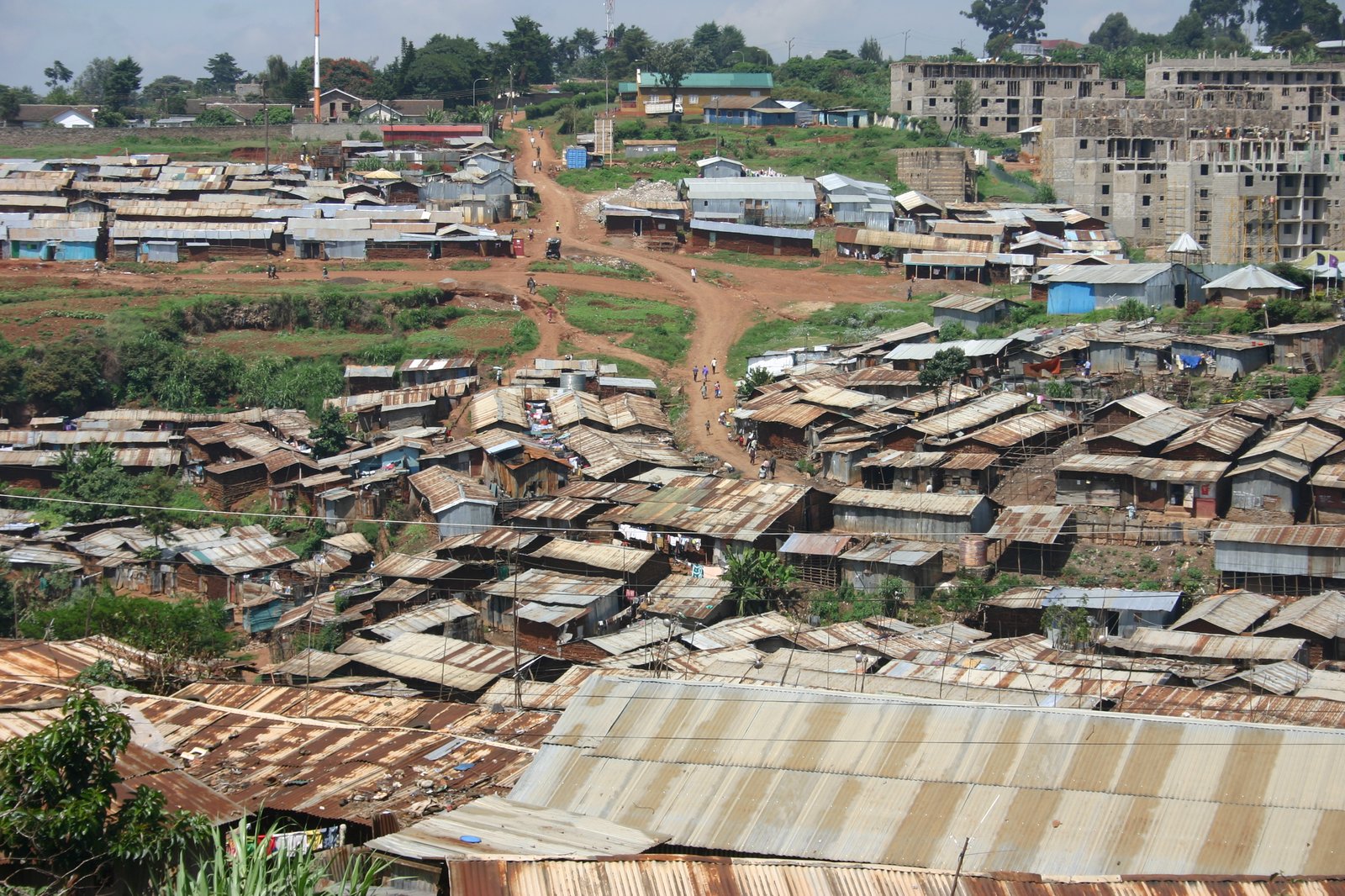

Bulldozers have already flattened parts of Kibera’s Soweto Zones C and D, and more than 8,000 tenants there have been told to move to make way for new apartment blocks. If your NGO or CBO works in Nairobi’s informal settlements, the redevelopment sweeping through Kibera is no longer a policy debate – it is a live displacement event, and there is a specific window right now for civil society to shape how it plays out.
What Is Actually Happening in Kibera Right Now?
In April 2026, the State Department for Housing and Urban Development issued a 13-day eviction notice to residents of Kibera’s Soweto Zones C and D, ordering them to vacate before site clearing began on April 24. The notice is part of a wider plan to replace sections of Kibera with 25,000 new housing units under President Ruto’s Affordable Housing Programme. Zone B, an earlier phase, is already nearing completion.
Demolitions started almost immediately, and by the time residents finished protesting the short notice period, several hundred structures were already down.
Zone C and Zone D, by the Numbers
| Zone | Area | Estimated Residents | Structures |
|---|---|---|---|
| Soweto Zone C | 3.6 hectares | ~3,256 | 410 |
| Soweto Zone D | 4.5 hectares | ~4,331 | 588 |
Figures per UN-Habitat/Kenya Slum Upgrading Programme (KENSUP) data cited in government notices; total displacement in the two zones is put at roughly 8,300–10,000 people depending on the count used.
Is Ksh60,000 Enough Compensation?
The government offered displaced tenants a one-off Ksh60,000 (about US$460) relocation payment. Residents interviewed after the demolitions said it did not come close to covering a new rent deposit, school transfer costs, and the loss of income from small businesses run out of the same structures. One resident, Angela Khabaye, told reporters the amount “cannot be enough to pay a house deposit, look for an alternative school for kids, and channel it to business since whatever little I was doing here has been flattened already.”
That gap between the compensation offered and the actual cost of relocating is where NGOs and CBOs already active in Kibera have the clearest, most immediate role: cash-plus support, temporary shelter referrals, and helping households negotiate or appeal the payment.
What Is KISIP 2, and Why Does It Matter for NGOs?
The legal and financing backbone behind slum upgrading in Kenya is the Second Kenya Informal Settlements Improvement Project (KISIP 2), a US$165 million project with US$150 million financed by the World Bank’s International Development Association, running across 33 counties and due to close later in 2026. Its four components matter differently to civil-society actors:
- Component 1 – Integrated settlement upgrading: land tenure regularisation and infrastructure (roads, drainage, water and sanitation).
- Component 2 – Socio-economic inclusion: explicitly designed to link displaced and vulnerable residents to existing World Bank and government safety-net programmes, and to youth skills and livelihoods support – this is the component NGOs can most directly plug into.
- Component 3 – Institutional capacity: county-level slum upgrading strategies and a national slum geodatabase.
- Component 4 – Programme management: safeguards compliance and community development coordination at national and county level.
In other words, KISIP 2 already has a formal channel for organisations working on livelihoods, safety nets and community development to feed into the process – most NGOs currently responding to the Kibera evictions are not yet using it.
How Can NGOs and CBOs Help Right Now?
Based on how the 2016 KENSUP Zone A allocation played out – where a similar process was challenged in court and the Kenya National Commission on Human Rights (KNCHR) was granted oversight of the beneficiary list – a few actions have real leverage today:
- Verify Makao Bora registration status. The government has issued Makao Bora cards as proof of enumeration; households without one, or whose details are wrong, risk being left off the final beneficiary list. NGOs can run registration-status clinics.
- Distinguish tenants from absentee structure-owners. Kibera’s allocation disputes have historically hinged on this distinction. CBOs with long-term local knowledge are often the only ones who can credibly document who actually lived where.
- Refer households for legal aid before, not after, demolition. Access to justice and paralegal support services can challenge unreasonable notice periods or push for supplementary compensation.
- Log complaints toward county disaster and human-rights oversight bodies rather than letting individual grievances go unrecorded – a documented pattern of complaints is what triggered court oversight in 2016.
- Connect affected households to KISIP 2’s Component 2 safety-net referrals rather than running parallel, one-off relief efforts.
What Documentation Should Displaced Households Keep?
NGOs supporting affected families should help them assemble and safeguard, at minimum: the Makao Bora enumeration card or receipt; any eviction notice received (with date stamps); dated photographs of the structure before demolition; proof of tenancy or structure ownership (rent receipts, a chief’s letter, utility bills); and a record of the Ksh60,000 payment, if received, including the date and receiving official. Without this paper trail, households have almost no way to contest a later allocation decision.
What Comes Next for Kibera’s Redevelopment?
Government officials, including Housing Principal Secretary Charles Hinga, have said the redevelopment will eventually bring piped water, electricity and integrated waste management to areas that have lacked them for decades – genuine gains that most residents want. The open question, as researchers who have studied Nairobi’s informal settlements since the 1990s point out, is whether the original, poorer residents are still the ones living in the new units two or three years from now, or whether rising rents and running costs quietly push them back out to cheaper settlements on the city’s edge. Independent monitoring at the six, 12 and 24-month marks after allocation is the safeguard most frequently recommended and least often funded – a clear gap NGOs could fill.
Frequently Asked Questions
How many people have been displaced by the Kibera Soweto redevelopment?
Government notices covering Soweto Zones C and D alone put the affected population at roughly 8,300 to 10,000 people across 410 and 588 structures, as part of a wider plan for 25,000 new units across Kibera.
How much compensation are displaced Kibera residents receiving?
Affected tenants were offered a one-off Ksh60,000 (about US$460) relocation payment, which many residents say is not enough to cover a new rental deposit, school transfer costs and lost business income.
What is a Makao Bora card and why does it matter?
It is the government’s proof-of-enumeration card for residents in areas undergoing slum upgrading. It is the main documentary link between a household and its eventual claim to a unit in the new development, so verifying it early is one of the most useful things an NGO can do.
Can NGOs get involved in KISIP 2 directly?
Yes, in principle. KISIP 2’s Component 2 (socio-economic inclusion) is designed to connect displaced and vulnerable residents to existing government and World Bank safety-net and livelihoods programmes – the formal entry point for organisations already doing that work in target settlements.
Who can displaced Kibera residents complain to if they feel unfairly treated?
The Kenya National Commission on Human Rights was granted formal oversight of a comparable Kibera allocation dispute in 2016 and remains the most relevant national body for a documented pattern of complaints; county-level human-rights and disaster-management desks are the more immediate first stop for individual cases.
By the NGOs.ke Editorial Team.


Leave your comment