

By the NGOs.ke Editorial Team.
International Day for Tolerance falls on 16 November every year, and in 2026 it lands on a Monday. The UN General Assembly invited member states to observe it in 1996 (resolution 51/95), a year after UNESCO’s members adopted the Declaration of Principles on Tolerance. UNESCO has not yet published a 2026 theme, so Kenyan NGOs planning events now should build around the Declaration itself rather than wait for a slogan.
What is International Day for Tolerance?
It is a UN observance that raises awareness of the dangers of intolerance and promotes respect for diversity. UNESCO’s Declaration defines tolerance as “respect, acceptance and appreciation of the rich diversity of our world’s cultures, our forms of expression and ways of being human.” It also affirms that tolerance is neither indulgence nor indifference. That second point matters for practitioners: the Declaration does not ask anyone to stay quiet about injustice.
| Key fact | Detail |
|---|---|
| Date | 16 November (Monday in 2026) |
| Established | UN General Assembly resolution 51/95, 1996 |
| Foundation text | Declaration of Principles on Tolerance, adopted 16 November 1995 |
| 2026 theme | Not published on UN or UNESCO pages as of 22 October 2026 |
| Linked award | UNESCO-Madanjeet Singh Prize, awarded every two years on 16 November; a 2026 award ceremony appears on UNESCO’s events list |
Why does tolerance matter for Kenyan NGOs?
Kenya’s 2027 election cycle is approaching, and sector groups already warn about shrinking civic space. Divisive messaging tends to rise in exactly these periods. UNESCO’s own guidance notes that hatemongers often begin by identifying the public’s tolerance threshold, which is a useful reminder that early, small interventions count more than late, large ones.
Kenya’s legal frame is already in place: the Constitution prohibits discrimination, and the National Cohesion and Integration Act of 2008 created the National Cohesion and Integration Commission (NCIC). The gap, as many organisations see it, is community-level practice rather than legislation.
How can intolerance be countered, according to UNESCO?
UNESCO’s guidance lists five levers. Each maps neatly onto work NGOs already do:
- Law: governments must enforce human rights laws and punish hate crimes and discrimination against minorities. NGOs can document incidents and refer cases.
- Education: UNESCO says laws are necessary but not sufficient. Schools, youth clubs and faith groups are natural partners.
- Access to information: press freedom and media pluralism reduce the space rumours fill. See our guide to journalist safety.
- Individual awareness: UNESCO puts it bluntly: intolerance breeds intolerance.
- Local solutions: “We are all part of the solution”, in UNESCO’s words.
What can an NGO do on 16 November 2026?
You do not need a large budget. Four formats work well for small and mid-sized organisations:
- Host a cross-community dialogue. Invite two or more groups who rarely share a room, set ground rules, and keep it to ninety minutes.
- Run a school or youth session on the Declaration’s definition of tolerance, using local examples rather than abstract ones.
- Publish a short statement committing your organisation to inclusive hiring and programming, then follow it with action. Our disability inclusion guide shows what a concrete commitment looks like.
- Link it to Human Rights Day. 16 November and 10 December sit three weeks apart, so one campaign can cover both. Read our Human Rights Day 2026 guide.
Whatever you plan, check with local authorities on any public gathering requirements, and apply your safeguarding policy to every session involving young people or survivors of violence. For wider context on the operating environment, see Kenya’s shrinking civic space and our piece on protecting human rights defenders.
What is the UNESCO-Madanjeet Singh Prize?
UNESCO created the prize in 1995 to mark the UN Year for Tolerance and the 125th anniversary of Mahatma Gandhi’s birth. It rewards significant scientific, artistic, cultural or communication activities that promote tolerance and non-violence, and institutions, organisations and individuals can all receive it. One earlier winner, in 2020, was Centre Résolution Conflits in the Democratic Republic of Congo. We could not confirm the prize amount from the pages we checked, so check UNESCO’s prize page before citing a figure.
Frequently asked questions
When is International Day for Tolerance 2026?
16 November 2026, a Monday. The date is fixed each year.
What is the 2026 theme?
No 2026 theme was published on the UN or UNESCO observance pages as of 22 October 2026. We will update this page if one appears.
Is 16 November a public holiday in Kenya?
No. It is an international observance, not a Kenyan public holiday.
Does tolerance mean accepting everything?
No. UNESCO’s Declaration says tolerance is neither indulgence nor indifference. It sits alongside, not above, human rights standards.
Where can I read the original text?
UNESCO publishes the observance page and the Declaration; start with the UNESCO International Day for Tolerance page.
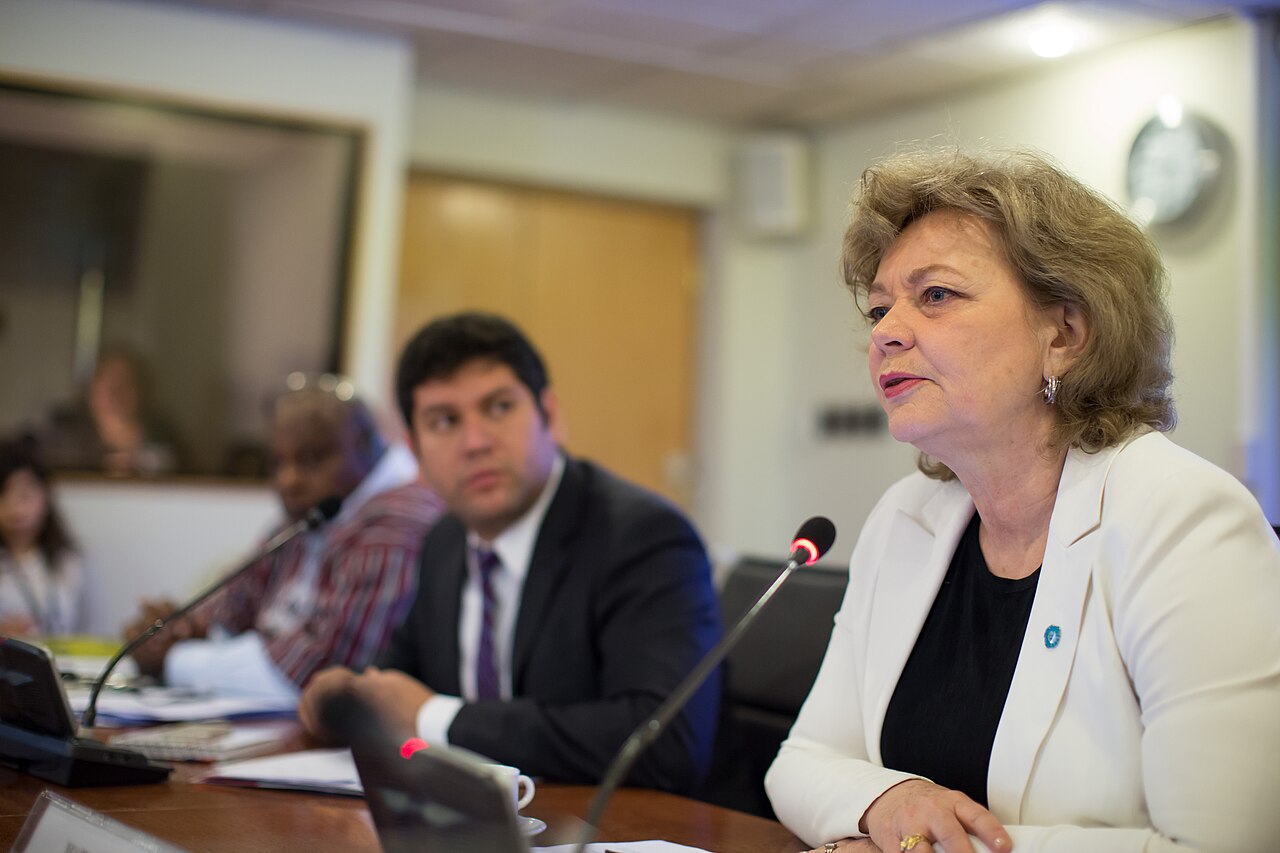
Photo: “Kicking off the civil society regional dialogue on April 28” by Maina Kiai, CC BY 2.0, via Wikimedia Commons.


Leave your comment