
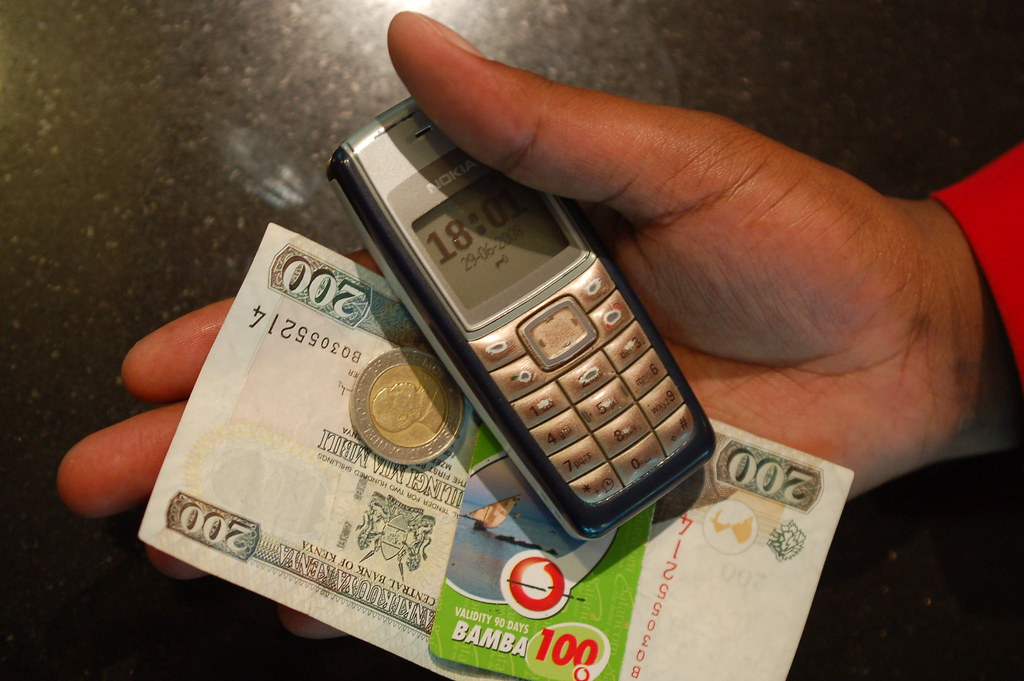

Poverty alleviation NGOs in Kenya are increasingly betting on cash — either handed directly to families through unconditional transfers, pooled by communities through savings groups, or channelled through the government’s Inua Jamii safety net. Each model does a different job, and knowing which one an organisation runs tells you a lot about how it actually expects to move someone out of poverty. This guide compares the three approaches NGOs, donors and volunteers in Kenya are working with right now, using current 2026 figures rather than the generic “top NGOs” lists that usually come up first.
How Big Is the Problem NGOs Are Actually Working Against?
Kenya’s most recent national household survey, from the Kenya National Bureau of Statistics, put the overall poverty headcount at 39.8% — more than 20 million people unable to meet a basic consumption threshold. The split matters for anyone designing or funding a programme: 42.9% of rural Kenyans were living on less than KSh 4,300 a month, against 33.2% of urban residents below KSh 8,000. Roughly 3.6 million people fell into “hardcore” poverty, meaning they couldn’t afford a minimum food basket even spending everything on food alone.
Food poverty is heavily concentrated in the arid and semi-arid counties — Turkana, Mandera, Samburu and Marsabit all recorded food-poverty rates above 54%. That geography shapes where most poverty-focused NGOs actually deploy: cash transfer pilots, savings-group programmes and emergency food response cluster in the same handful of counties for a reason.
Three Models NGOs and Donors Are Using Right Now
1. Unconditional cash transfers
GiveDirectly, working with the Kenyan-founded Lwala Community Alliance and the Ministry of Health, has been sending cash directly to pregnant women in rural Kenya since September 2025. Mothers receive around $860 starting at roughly 20 weeks of pregnancy, either as a lump sum or in smaller instalments. Early data released in March 2026 found 60% of recipients spent part of the transfer on healthcare — insurance registration, clinic fees, transport — six times the 9% healthcare-spending rate GiveDirectly usually sees in its general poverty-relief work. More than one in four mothers used some of the cash specifically to cover Social Health Insurance Fund registration, a cost that’s pushed some families toward risky home births since Kenya moved away from the old Linda Mama maternity cover. The programme is expanding to reach 5,300 women by the end of 2026.
A parallel, county-anchored version of the same model is running in Migori, where the county government, Lwala and GiveDirectly are jointly disbursing about KSh 110,000 per mother in two tranches — the first on confirmation of an antenatal visit, the second tied to a facility-based delivery. Around 500 mothers are enrolled across Nyatike, Suna East and Awendo sub-counties, and county health officials report a roughly 40% rise in hospital deliveries in the pilot areas since it launched in late 2025. The Migori pilot builds on a 2025 randomised study that found a $1,000 cash transfer cut infant deaths by 48% — the evidence base the whole approach now rests on.
2. Village savings and loan associations (table banking)
Rather than money moving from donor to household, VSLAs — often called table banking locally — pool members’ own savings and lend them back out within the group. Concern Worldwide, which is running a VSLA programme phase through 2027 that includes Kenya, notes that setting one up costs a local NGO as little as $8 per member, against roughly $22 through less efficient delivery channels. The model skews heavily female: a widely cited CARE figure puts women at around 94% of VSLA membership in Kenya, and CARE’s own LINK Up project connected 10,000 savings groups in Kenya and Tanzania to formal banks, leaving participating women 15% more likely to have a say in loan decisions at home. NGOs here act mainly as facilitators and trainers rather than funders — the capital stays with the community.
3. Inua Jamii — the government’s safety net, and where NGOs sit around it
Inua Jamii is Kenya’s own cash transfer programme, run by the State Department for Social Protection and Senior Citizen Affairs, covering older persons and people with severe disabilities with a flat KSh 2,000 monthly stipend. The June 2026 payment cycle released roughly KSh 2.43 billion to more than 1.2 million beneficiaries, with disbursements starting August 3, 2026. It’s the largest cash safety net in the country by beneficiary count, but its flat stipend and age/disability targeting leave gaps — working-age households below the poverty line, and anyone outside the registered categories, aren’t covered. Most poverty-focused NGOs in Kenya now position their own cash or savings programmes as filling exactly those gaps rather than duplicating Inua Jamii.
Quick Comparison
| Model | Who funds it | Typical amount | Best fit |
|---|---|---|---|
| NGO unconditional cash transfer | International donors via NGOs (e.g. GiveDirectly/Lwala) | ~$860–$1,000 per recipient | Targeted, time-bound needs — e.g. pregnancy, emergencies |
| VSLA / table banking | Members’ own savings, NGO-facilitated | Small, member-set loan sizes | Long-term financial inclusion, women’s groups |
| Inua Jamii | Government of Kenya | KSh 2,000/month | Elderly and severely disabled Kenyans, ongoing |
Which Model Should a Donor or Volunteer Actually Back?
None of the three is a straightforward replacement for the others, which is part of why NGOs tend to run more than one alongside each other. Cash transfers work best where the problem is a specific, provable gap — insurance enrolment, transport to a clinic, a birth. VSLAs work best where the goal is building financial resilience that outlasts any single grant cycle. Inua Jamii, meanwhile, is the floor: NGOs that understand where it already reaches tend to design programmes that top it up rather than overlap with it. For a donor or volunteer trying to choose, the practical question is less “which model is better” and more “which gap, in which county, is this specific organisation actually closing.”
How to Get Involved
Anyone looking to support this work in Kenya has a few realistic entry points: donating directly to a cash-transfer implementer like GiveDirectly or a Kenyan partner such as Lwala Community Alliance; volunteering with or funding a VSLA-facilitating NGO, which tends to need far smaller amounts of capital per group than cash-transfer programmes; or vetting and partnering with a locally registered organisation working in one of the high-poverty counties named above. If you’re starting a new organisation to do this work rather than joining an existing one, our guide on how to register an NGO in Kenya walks through whether a PBO, CBO or trust structure fits a poverty-focused programme best. And if you’re trying to find and vet an existing organisation before donating time or money, see our guide to finding and vetting NGOs in Nairobi.
Poverty alleviation work in Kenya increasingly sits alongside other sector-wide NGO efforts — our guide to WASH NGOs in Kenya covers a similarly structured, funding-heavy sector for comparison.
Frequently Asked Questions
What does “poverty alleviation” mean in the context of Kenya’s NGO sector?
It covers any programme aimed at raising household income or consumption above the poverty line — most commonly cash transfers, savings and micro-lending groups, and livelihoods training, run either by NGOs directly or by government programmes NGOs work alongside.
Which NGOs are running cash transfer programmes in Kenya in 2026?
GiveDirectly is the largest international implementer, currently partnered with the Kenyan NGO Lwala Community Alliance on a maternal cash transfer pilot expanding to 5,300 women by the end of 2026, including a county-specific version running in Migori.
How is Inua Jamii different from an NGO cash transfer programme?
Inua Jamii is a Government of Kenya programme funded from the national budget, targeting older persons and people with severe disabilities with a fixed KSh 2,000 monthly stipend. NGO cash transfers are donor-funded, usually larger per recipient, and targeted at a specific need or life stage rather than an ongoing entitlement.
Are village savings and loan associations (table banking) run by NGOs?
NGOs typically train and facilitate VSLAs rather than fund them directly — the savings and loan capital comes from the members themselves, which is what makes the model relatively cheap to set up and sustain.
How can I support poverty alleviation work in Kenya as a donor or volunteer?
Direct donations to implementers like GiveDirectly or Lwala Community Alliance, volunteering time with a VSLA-facilitating NGO, or vetting and partnering with a locally registered organisation working in a high-poverty county are the three most realistic routes.
By the NGOs.ke Editorial Team.


Leave your comment