
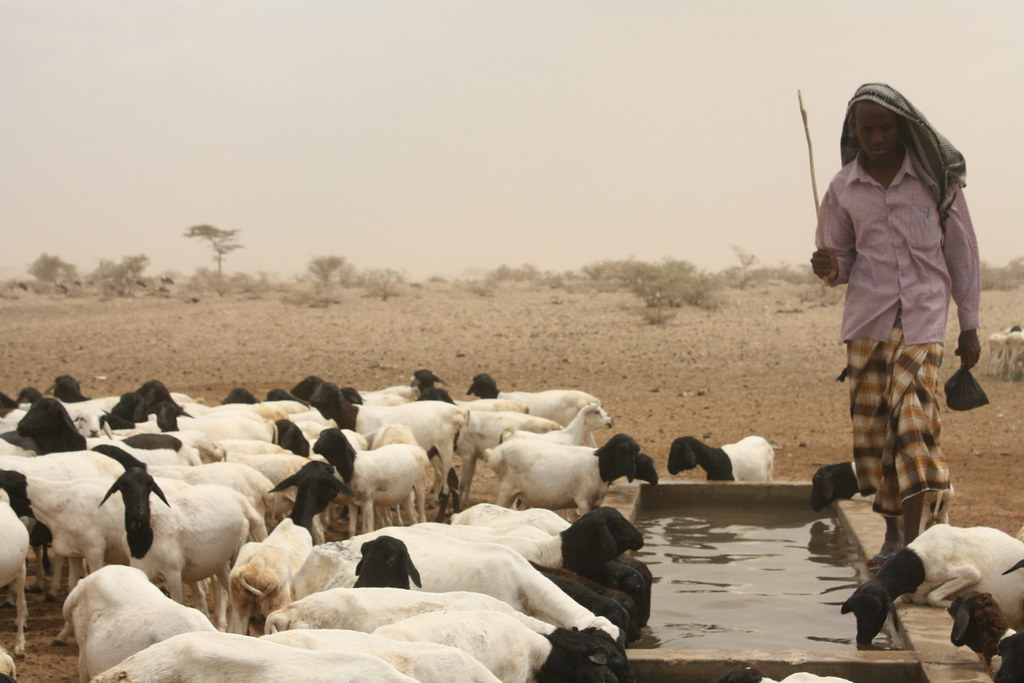

WASH NGOs in Kenya include national organizations like the Kenya Water for Health Organization (KWAHO) and SHOFCO, international groups like World Vision Kenya, and coordinating bodies like the Kenya Water and Sanitation Civil Society Network (KEWASNET) — all working alongside the government’s Ksh 32.5 billion K-WASH programme, which targets 19 counties and 4 million people through 2030. For NGO staff and donors trying to find a partner, a funding route, or simply understand who does what, this guide maps the landscape as it stands in September 2026.
What Is Kenya’s K-WASH Programme, and Why Does It Matter for NGOs?
The Kenya Water, Sanitation and Hygiene (K-WASH) Programme is the government’s flagship vehicle for closing the rural-urban water gap. It originally received USD 250 million (roughly Ksh 32.5 billion) in World Bank financing for the 2024-2030 period, and in February 2026 it picked up an additional USD 35.6 million as part of a wider Ksh 18.6 billion devolution and urban-infrastructure boost reported by the Daily Nation. The Global Center on Adaptation (GCA) provides technical support, running “train-the-trainer” masterclasses so county officials can embed climate-resilient planning into water investment decisions. Full programme details, including current tenders and reports, are published by the State Department for Water and Sanitation.
For NGOs, K-WASH matters because it is results-based: counties and Water Service Providers (WSPs) are paid for verified improvements, not just activity. That opens a lane for NGOs that can help WSPs hit those targets — through community mobilization, monitoring, or technical assistance — rather than only running parallel, donor-funded projects.
Which Counties Does K-WASH Cover?
The programme runs in 19 of Kenya’s 47 counties, chosen for their water access gaps, climate vulnerability, or refugee-hosting status. Between them these counties have 33 registered Water Service Providers.
- Pastoralist/indigenous-community counties (climate-vulnerable, mobile herding): Mandera, Marsabit, Samburu, West Pokot, Turkana, Narok
- Counties with Vulnerable and Marginalized Groups: Baringo, Tana River, West Pokot, Kwale
- Crop-farming counties (titled land, high fragmentation pressure): Murang’a, Tharaka Nithi, Makueni, Kitui, Migori, Vihiga, Bomet, Nandi, Kirinyaga, Kericho
An NGO scoping a WASH partnership should start by checking whether its target community sits inside one of these 19 counties — that’s where K-WASH’s results-based financing, and the GCA’s technical support, are actually flowing.
Which NGOs and Networks Lead WASH Work in Kenya?
Kenya’s WASH sector runs on a mix of long-established national NGOs, international organizations, and a coordinating civil-society network:
- Kenya Water for Health Organization (KWAHO) — founded in 1976, widely regarded as the first indigenous Kenyan NGO focused specifically on community-level water and sanitation.
- SHOFCO — runs WASH programming in informal settlements, including water-point access and sanitary product distribution paired with behavior-change communication in schools.
- World Vision Kenya — launched its 2026-2030 national strategy and “Mapping the Blue Thread” WASH business plan this year, targeting 13.3 million children across 33 counties, with 2.27 million reached through direct WASH services.
- Kenya Water and Sanitation Civil Society Network (KEWASNET) — the national umbrella network for WASH civil-society organizations, established in 2007, which bridges CSOs, government agencies, and development partners and has published multiple CSO Water and Sanitation Performance Reports.
- WASH Alliance Kenya member organizations — a coalition including NIA, the Centre for Social Planning and Administrative Development (CESPAD), Nosim Women Organization (Kajiado), and Dupoto-e-Maa, among others working at county level.
Groups weighing whether a prospective WASH partner is credible and properly constituted should also see our guide on how to find and vet an NGO in Nairobi before committing to a partnership.
Where Is the Open Defecation Crisis Worst?
Eliminating open defecation is one of K-WASH’s two headline objectives, alongside expanding water access. Roughly 85% of all open defecation in Kenya is concentrated in just 15 counties, mostly in the north and northeast. Turkana, Mandera, Garissa, Kilifi, Baringo, Samburu, and Tana River carry the heaviest burden. In response, the government and UNICEF launched the Kenya Sanitation Alliance, specifically targeting the 15 counties with the highest open-defecation rates.
Is There Funding Available for WASH NGOs in Kenya Right Now?
Yes — one live opportunity closes this month. Aqua for All’s “Water and Sanitation in Kenya” call supports growth-stage, sustainable, market-based water and sanitation enterprises ready to scale, with applications due 20 September 2026. It sits alongside Aqua for All’s broader catalytic funding call for fund managers (€1 million to €5 million in catalytic investment), which closed at the end of August 2026.
For a fuller list of what’s currently open across the sector, not just WASH, see our roundup of NGO grants open in Kenya this September 2026.
How Can an NGO Get Involved in Kenya’s WASH Sector?
Three practical entry points stand out for September 2026:
- Join or engage KEWASNET if your organization already does WASH work — it is the recognized coordination point for the sector’s civil-society voice, and its CSO Performance Reports are a credible way to get county-level WASH gaps on record.
- Check your registration status under the PBO Act before pursuing government-adjacent K-WASH partnerships, since counties and WSPs working under results-based financing will expect a properly constituted partner. Our explainer on Kenya’s PBO Act 2026 and what NGOs must do now covers the current compliance deadline.
- Target an underserved county rather than a crowded one. The 15 counties driving 85% of open defecation, and the six pastoralist counties under K-WASH’s Social Safeguards provisions, are where need is highest and NGO presence is often thinnest.
Frequently Asked Questions
What does K-WASH stand for?
K-WASH is the Kenya Water, Sanitation and Hygiene Programme, a Government of Kenya initiative co-financed by the World Bank, running 2024-2030 across 19 counties.
How much funding does K-WASH have?
It originally received USD 250 million, with an additional USD 35.6 million approved in February 2026, bringing total programme financing to roughly USD 285.6 million.
Which Kenyan counties have the worst open defecation rates?
Around 85% of open defecation nationally is concentrated in 15 counties, led by Turkana, Mandera, Garissa, Kilifi, Baringo, Samburu, and Tana River.
Is there WASH funding open to Kenyan NGOs this month?
Yes. Aqua for All’s Water and Sanitation in Kenya call for growth-stage water and sanitation enterprises closes 20 September 2026.
What’s the difference between K-WASH and KEWASNET?
K-WASH is the government’s funded infrastructure and services programme. KEWASNET is the independent civil-society network that coordinates and advocates on behalf of WASH NGOs and monitors sector performance — the two work in parallel, not as the same body.
By the NGOs.ke Editorial Team.


Leave your comment