

By the NGOs.ke Editorial Team.
What is World Toilet Day 2026, and what should Kenyan NGOs do with it? World Toilet Day is observed every year on 19 November, and the 2026 theme is “Safe toilets. Equal futures.”, which puts sanitation and gender equality side by side. It is a ready-made hook for NGOs working on WASH, schools, girls’ education and health, and with about five weeks to go as of mid-October 2026, there is enough time to plan something that is more than a social media post.
World Toilet Day 2026 at a glance
| Item | Detail |
|---|---|
| Date | Thursday, 19 November 2026 |
| Theme | “Safe toilets. Equal futures.” |
| Coordinator | UN-Water, which brings together more than 30 UN organisations |
| People without safe sanitation worldwide | 3.4 billion, about 4 in 10 (WHO/UNICEF, 2025) |
| People with nowhere to wash hands at home | 1.7 billion, about 1 in 5 (WHO/UNICEF, 2025) |
| Adolescent girls (10-19) | 1 in 5 share unhygienic toilets with other families or go outside (WHO/UNICEF, 2023) |
| Schools | Fewer than 1 in 3 have menstrual waste bins in girls’ toilets (WHO/UNICEF, 2024) |
Why does the gender angle matter in Kenya?
Because a toilet that is shared, unlocked, unlit or far from home is not safe for a girl or a woman, even if it technically counts as a toilet. The global figures above come from the UN’s own World Toilet Day page. The Kenyan picture is less tidy: the WHO/UNICEF Joint Monitoring Programme, as reported by Kenyan media in August 2025, put open defecation at 8 percent of Kenyans in 2024, down from 12 percent in 2015. That is progress, but the same coverage notes it is too slow to end open defecation by the 2030 target under SDG 6.2.
The gaps are uneven. The Eastleigh Voice, citing Kenya National Bureau of Statistics data, reported that around 72.6 percent of households in Turkana and 72.5 percent in Mandera lack toilets. Those are household toilet-access figures, not a strict open defecation rate, but they show where the work is concentrated. A national average of 8 percent hides counties where the problem is the norm.
What can an NGO realistically do on 19 November?
Pick one thing and do it properly. Here are options that fit small and mid-sized organisations:
- Audit girls’ toilets in partner schools. Check doors, locks, lighting, water for handwashing and whether there is a bin for menstrual waste. Publish a short results note on the day.
- Run a community sanitation dialogue. Bring women, men, local leaders and the county public health officer into one room, and record what women say is unsafe.
- Back a county call to action. Sanitation is largely a county function, so a short, specific ask to the county WASH officer, such as school toilet repairs in named wards, lands better than a general appeal.
- Link sanitation to health. Poor sanitation feeds cholera and diarrhoeal disease; our cholera prevention guide for NGOs covers the WASH response side.
- Pair it with handwashing. Global Handwashing Day comes first, on 15 October, and our handwashing planning guide can feed straight into a November sanitation push.
How should you measure and report it?
Donors increasingly want evidence, not event photos. Count what you can verify: number of toilet blocks inspected, number with working locks, number with a handwashing point, and the follow-up commitments made by schools or the county. Report the baseline in November and revisit it in three to six months. If you are building a wider programme, our overview of WASH programmes and funding in Kenya is a useful starting point.
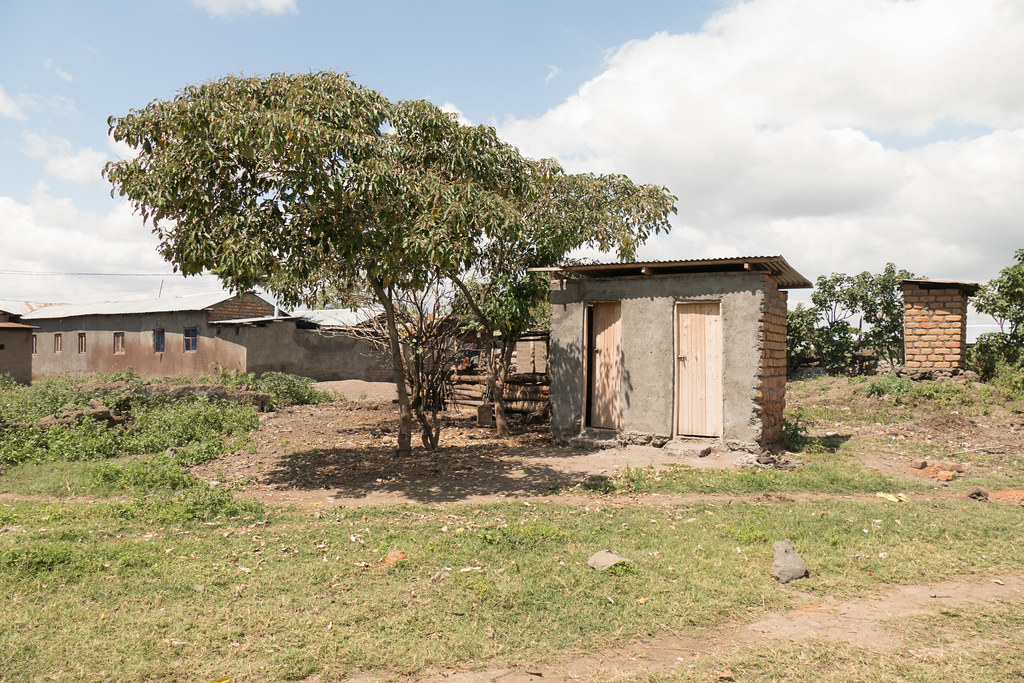
A word on imagery: do not photograph children or women using toilets, and do not publish identifiable beneficiaries without informed consent. Photographs of facilities themselves tell the story without exposing anyone.
FAQ
When is World Toilet Day 2026?
It is on Thursday, 19 November 2026, as it is every year on 19 November.
What is the 2026 World Toilet Day theme?
“Safe toilets. Equal futures.”, which links sanitation to gender equality, according to the UN observances page.
Who organises World Toilet Day?
UN-Water coordinates the observance, with more than 30 UN organisations working on water and sanitation.
Do NGOs need permission to run a World Toilet Day event?
There is no registration for the observance itself, but school visits and community events usually need agreement from the school management or the county and ward administration.
How many Kenyans still practise open defecation?
The WHO/UNICEF Joint Monitoring Programme figure reported in Kenyan media was 8 percent in 2024, down from 12 percent in 2015.
Primary source for the global statistics and theme: United Nations, World Toilet Day.


Leave your comment