

By the NGOs.ke Editorial Team.
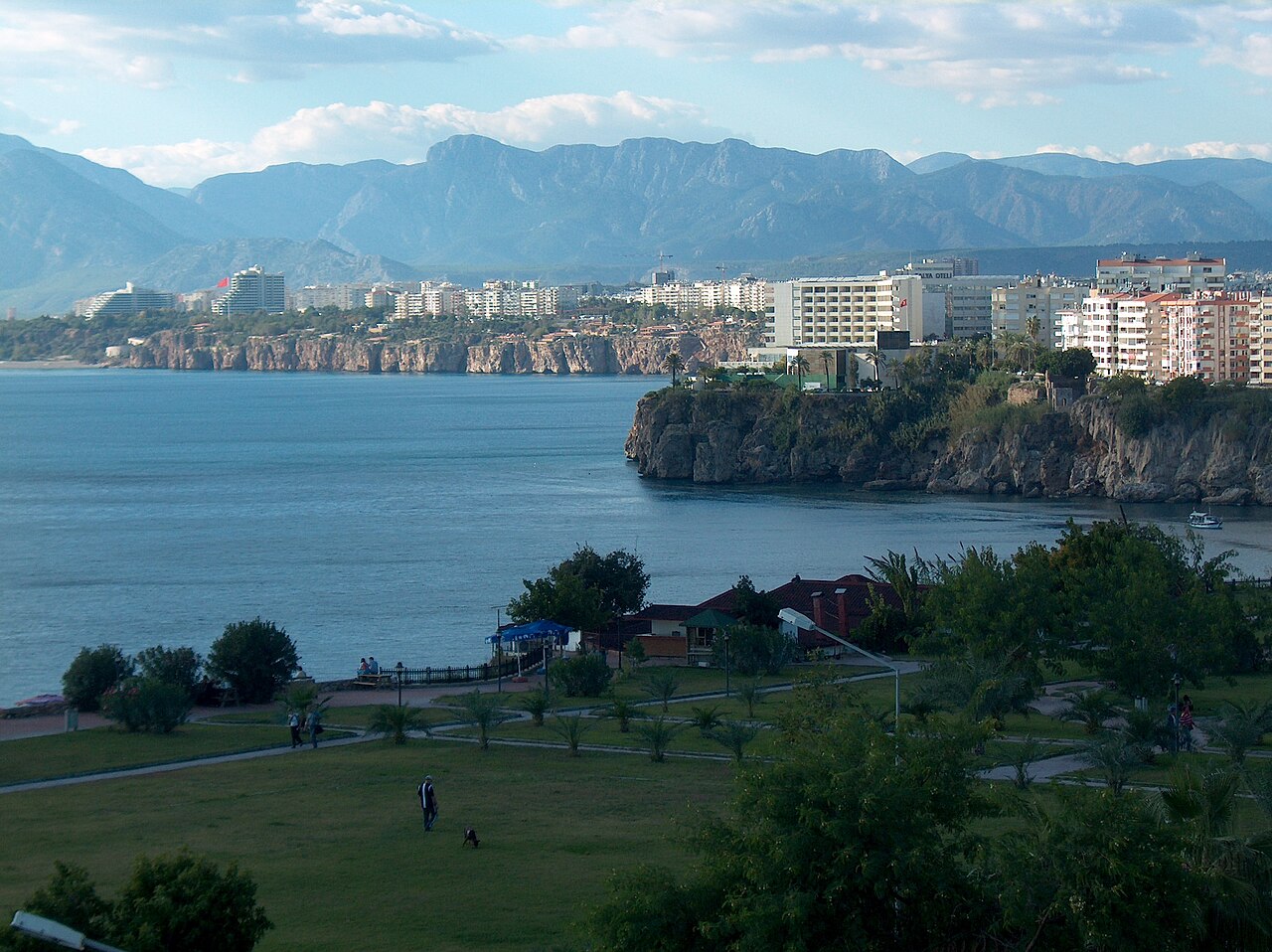
Can a Kenyan NGO attend COP31 in Antalya? Only if it is already an admitted UNFCCC observer, or if an admitted observer puts its representatives on their delegation. The UN climate conference runs from 9 to 20 November 2026, nominations through the official online system closed on 10 August, and applying for observer status now will not get you into this one: the UN Climate Change secretariat says assessment can take several years, in some cases 6 to 7. That does not mean the conference is out of reach. As of October 2026, there are still real ways to take part, and one practical deadline left: 8 November.
What are the key COP31 dates for NGOs?
- Conference: 9 to 20 November 2026, Antalya, Türkiye (COP 31, CMP 21 and CMA 8).
- Nominations of participants: opened with the secretariat’s message of 7 July and closed 10 August 2026 at 23:59 CET. The secretariat says late nominations cannot be processed.
- Confirmations: open from 24 August and close Sunday 8 November 2026 at 23:59 CET.
- Leaders’ Summit and High-Level Segment: opening on 11 November, with observer statements provisionally scheduled for 18 November (to be confirmed).
- Online briefings for observers: “Navigating the Process as an Observer” runs today, 15 October, according to the UNFCCC observer page.
Who is actually allowed into the COP31 venue?
Under Article 7, paragraph 6 of the Convention, attendance is limited to Parties, UN and related bodies, media, and admitted non-profit observer organisations. The UNFCCC states plainly that its conferences are not open to the public. Every attendee needs to be registered and hold a conference badge, and registration runs only through the Online Registration System (ORS). Each organisation’s Designated Contact Point does the nominating and confirming.
After confirmation, a delegate receives an email with two links: one to download an acknowledgment letter, and one to the e-visa portal for the mandatory visa application. Build that into your timeline, because a confirmed badge does not replace a visa.
I run a small Kenyan NGO that isn’t an admitted observer. What can I do?
The secretariat lists three routes for organisations without observer status:
- Join an admitted observer’s delegation. Your representatives can attend if an admitted observer nominates them. Your organisation’s name appears on the participant list only if that observer enters it in the system, and the nomination still has to be confirmed by the observer’s deadline. If you work through a network, a coalition or a larger international partner that is already admitted, ask them now.
- Send written input. Convention bodies periodically request views and information, and those calls extend to organisations without observer status. Submissions go through the UNFCCC submission portal.
- Follow and act remotely. Webcasts are published on the UNFCCC press and media page, and side-event recordings go on its side events webcast page. The UN Climate Change YouTube channel also carries coverage. A community-level NGO can still use that material to brief its own members, county officials and donors the week it happens.
How long does it take to become an admitted observer?
There is no fixed application deadline; applications are accepted continuously through the Online Admission System. But the secretariat assesses them in order of application date during an annual cycle that generally falls in the first half of the year, and says that at the current resource level it can take several years, in some cases 6 to 7, before the outcome is communicated. It may prioritise applications from the regions of incoming COP Presidencies and from underrepresented regions.
The requirements are a statement of competence in Convention matters, confirmation of independent legal personality and confirmation of non-profit status. You will need a certificate of incorporation or registration and a certificate of non-profit status from the government of your country of headquarters. A certified or notarised translation is needed if the documents are not in a UN official language. ECOSOC status does not exempt you from this process, so if you read our ECOSOC consultative status guide hoping it would be a shortcut, it isn’t one. Admission is one-time and does not need renewing.
For a Kenyan organisation, this is also a reason to keep registration papers current. Our guide to the PBO Act transition checklist covers what to have in order.
Watch out for paid “COP packages”
The secretariat says it does not charge fees for participating in meetings and conferences, and that selling badges for these events by third parties is not permitted. It also warns that some admitted observers sell commercial packages promising conference participation through observer quotas. Only the secretariat accredits participants. If an offer asks you to pay for a badge, treat it with suspicion and check it against the UNFCCC’s own guidance before you send any money.
Why should Kenyan NGOs follow COP31 anyway?
Because what is decided on adaptation, loss and damage and climate finance shapes the money and programmes that reach communities here. If you work on drought, floods or food security, the same themes sit behind the anticipatory action work and the Global EbA Fund and other community-adaptation funding we have covered, and our guide on how Kenyan NGOs should prepare is a useful companion.
A practical checklist for the next three weeks
- Find out which admitted observer networks you are already part of and ask whether they still have delegation space before the 8 November confirmation deadline.
- Bookmark the UNFCCC webcast and side-event pages and assign one staff member to summarise key sessions for your board and partners.
- Check the UNFCCC call-for-submissions page for any open request relevant to your sector.
- If you want to become an observer, start the Online Admission System application now, knowing it is a long game.
- Check visa requirements early for any delegate who is confirmed.
FAQ
When is COP31?
9 to 20 November 2026 in Antalya, Türkiye.
Can any NGO register for COP31 now?
No. Only admitted observer organisations can nominate and confirm delegates, and the nomination window closed on 10 August. Confirmations stay open until 8 November 2026.
Does the UNFCCC charge a registration fee?
The secretariat says it does not charge fees for participating in meetings and conferences, and that third-party badge sales are not permitted.
How can my NGO follow COP31 from Kenya?
Through UNFCCC webcasts, side-event recordings and its YouTube channel, plus any briefings your network partners share.
Does ECOSOC status get my organisation into COP31?
No. The UNFCCC says ECOSOC or other UN status does not exempt an organisation from its own admission process.


Leave your comment