

By the NGOs.ke Editorial Team.
What can NGOs do in Kenya’s Ebola response? As of 19 October 2026, Kenya has confirmed eight Bundibugyo Ebola cases, including one death, and the Ministry of Health has asked development and health partners to line up behind national priorities: surveillance, contact tracing, lab testing, case management, infection prevention and control, and community engagement. For most NGOs the useful moves are practical: plug into the ministry’s coordination structures, protect your own staff, carry accurate messages to communities, and avoid improvising clinical work you are not licensed to do.
Where does Kenya’s Ebola outbreak stand?
The first patient, a Kenyan man returning from the Democratic Republic of Congo through Uganda, died in a Nairobi hospital on 5 October. Later infections were among people linked to him, including close contacts and health workers who treated him. On 19 October the ministry’s Director-General for Health, Patrick Amoth, announced the eighth case: a 49-year-old patient attendant who cleaned utensils and linens and was believed to be exposed to the first case, as Al Jazeera reported.
The strain matters. Bundibugyo has no licensed vaccine or specific treatment, so containment rests on finding cases early, tracing contacts and keeping infection control tight. In the DRC, the outbreak that began in May has passed 9,400 cases and 4,500 deaths, according to the same report.
| Key fact (as of 19 Oct 2026) | Detail |
|---|---|
| Confirmed cases in Kenya | 8, including 1 death |
| Strain | Bundibugyo (no vaccine or specific treatment) |
| Contacts followed (WHO, 16 Oct) | 130 identified, 127 in quarantine, 21-day monitoring |
| WHO supplies delivered | About US$70,000 (PPE, test kits, infrared thermometers) |
| Health workers trained with WHO support | Nearly 5,000 |
What did the Ministry of Health ask partners to do?
On Monday 19 October, Public Health Principal Secretary Mary Muthoni met Development Partners for Health in Kenya, the Health NGOs Network (HENNET), the Kenya Healthcare Federation and the Kenya Red Cross Society. According to The Star, the ministry wants partners to align support with national priorities, mobilise resources quickly, and coordinate financial and technical aid so it reaches priority areas. It described the approach as whole-of-government and whole-of-society.
No specific funding amounts or task allocations were published. That gap is worth noting: if your organisation is not a member of one of those networks, the practical first step is asking a member, or the county health management team, how to be counted in the coordination.
What should a Kenyan NGO do this week?
- Join the coordination, don’t freelance. Contact HENNET or your county health office before launching any Ebola activity, so your work matches the national response plan.
- Stick to what you are good at. Community engagement, hygiene promotion, rumour tracking and psychosocial support are NGO strengths. Case management and contact tracing belong with trained health teams.
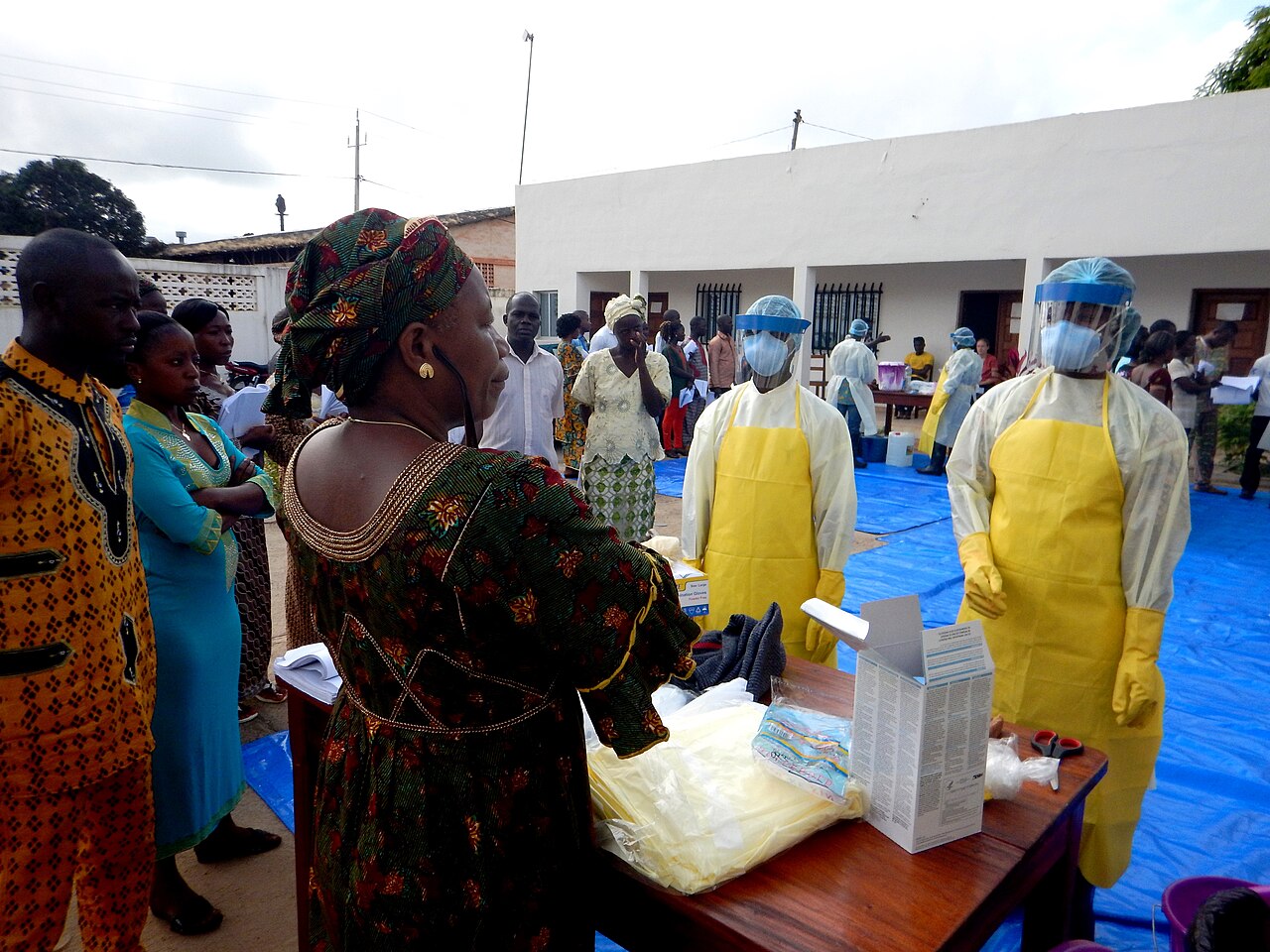
- Protect your staff and volunteers. Brief field teams on symptoms, when to isolate and who to call. Early symptoms such as fever, fatigue, muscle pain, headache and sore throat resemble malaria, so staff should know to report them rather than self-treat.
- Use one message. Ebola spreads through direct contact with blood or body fluids of a sick or deceased person, not through the air. Repeat the ministry’s and WHO’s wording, not social-media versions.
- Plan for continuity. Decide now which programmes pause, which go remote, and how you will keep paying frontline staff if travel is restricted.
How can NGOs fight rumours and stigma?
Fear travels faster than the virus. Quarantined families, health workers and anyone who has recently travelled can face shunning. Trusted local organisations, including faith groups and youth networks, are well placed to correct myths and to make it easier for people to report symptoms early. Keep messages short, in local languages, and tied to a number people can actually call.
WHO also advises against closing borders or restricting trade, and notes that Kenya has not imposed travel, trade or gathering restrictions. Avoid campaigns that single out particular communities or nationalities.
What does it mean for funding and operations?
Donors are redirecting emergency money toward outbreak response, and NGOs already stretched by cuts will feel it. Our guides on Kenya’s HIV funding shift and cholera prevention and WASH cover related health-sector pressure points. Before taking on outbreak work, check that your safeguarding policy covers community health volunteers and any data you collect about patients or contacts.
Frequently asked questions
Is there a vaccine for the Ebola strain in Kenya?
No. The outbreak is caused by the Bundibugyo strain, which has no licensed vaccine or specific treatment. Supportive care and early detection are the main tools.
How long are Ebola contacts monitored?
Contacts undergo daily temperature and symptom checks for 21 days, according to WHO’s account of Kenya’s response.
Can my NGO run Ebola awareness campaigns?
Yes, if the messages match official guidance and you coordinate with the county health office or a partner network such as HENNET. Do not handle samples, patients or bodies unless you are trained and authorised.
Where can I find official updates?
Use the Ministry of Health and WHO’s Kenya country page. Numbers change quickly, so check the date on any figure you share.
Does Ebola spread through the air?
No. It spreads through direct contact with blood or body fluids of a sick or deceased person, or contaminated objects.
Also worth a read: Kenya Ebola Rules 2026: Screening, Quarantine, Penalties — from 254.ke, part of the NGO Summit media network.


Leave your comment