
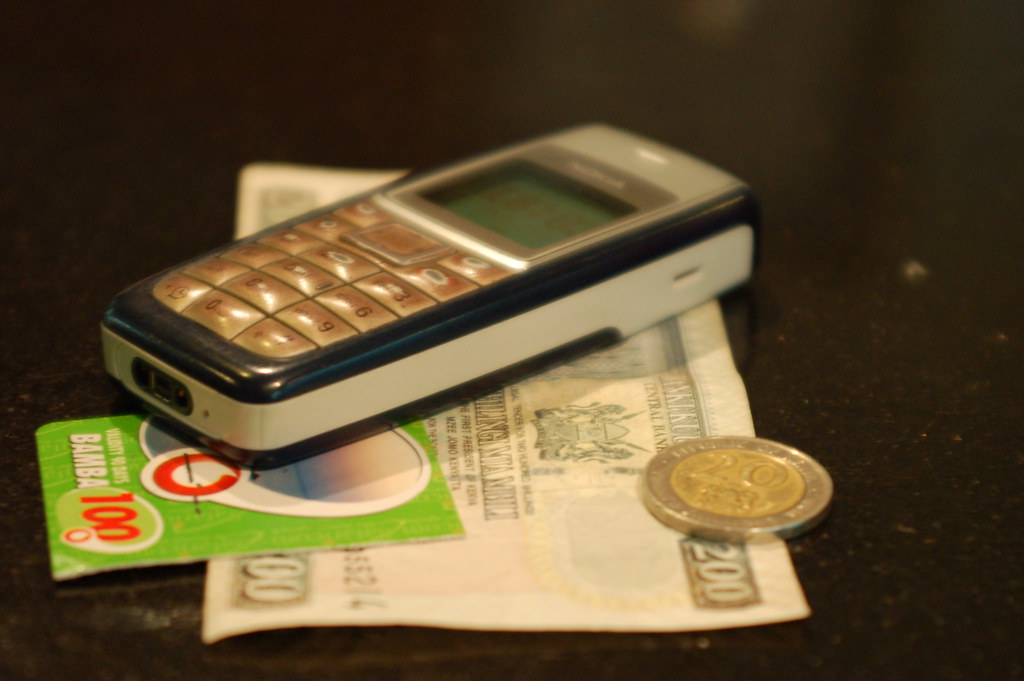

Kenyan NGOs can accept M-Pesa donations in four main ways: a business Paybill number, a Till (Buy Goods) number, a direct Daraja API integration on the organisation’s own website, or a hosted platform such as M-Changa or Pesapal that handles the mobile money plumbing for you. Which one makes sense depends on your organisation’s technical capacity, budget, and how much control you need over the donor experience — not on which option sounds most impressive.
Over 80% of Kenyan donors say they prefer to give through mobile money rather than a card or bank transfer, so for most local NGOs this isn’t an optional add-on to fundraising — it’s the primary channel. Yet a lot of small and mid-sized organisations still send donors a phone number by WhatsApp and hope for the best, with no receipt, no reconciliation, and no record for their board or auditors. This guide walks through the real options, what each one costs, and what a registered NGO specifically needs to think about that a generic “how to accept M-Pesa” business guide won’t tell you.
What are your actual options for accepting M-Pesa donations?
There are four practical routes, roughly in order of technical effort:
- Till (Buy Goods) number. The simplest option. A donor dials *234# or uses the M-Pesa app, enters your Till number, and pays. No website integration needed at all — you can print the Till number on a banner, a receipt, or a social media post today.
- Paybill number. Used when you want donors to enter an account reference (useful for tagging a donation to a specific campaign, event, or donor name for your records). Slightly more setup than a Till number but still requires no coding.
- Daraja API integration. Safaricom’s developer platform lets you build M-Pesa “STK Push” directly into your own donation page — the donor clicks Donate on your website, a payment prompt pops up on their phone, they enter their PIN, and the donation confirms instantly without leaving your site.
- A hosted platform (M-Changa, Pesapal, GlobalGiving). These handle the Safaricom integration, receipting, and (for M-Changa) public fundraising pages for you, in exchange for a service fee taken from each donation.
How do you get a Paybill or Till number as an NGO?
Safaricom’s business tariff for Paybill numbers is specifically built for organisations like NGOs, banks collecting loan repayments, and insurers — under this tariff the organisation absorbs the M-Pesa transaction cost and the donor pays nothing extra, from KES 1 up to KES 250,000. For a Till number, Safaricom charges the merchant a processing fee of 0.5% of the transaction value (capped at KES 200), dropping to 0.25% on amounts under KES 200 — and the donor never sees a charge either way.
To apply, you’ll need your organisation’s KRA PIN and a valid business or registration certificate — which is where NGO status matters practically, not just legally. An organisation still operating as an informal group, or unsure whether to register as a PBO, CBO, or Trust, should sort that out first; see our guide on how to register an NGO in Kenya for the practical differences. Apply for the Paybill or Till number through a Safaricom business outlet or your relationship bank, which typically also link the collections account to your organisational bank account for easier reconciliation.
What does Daraja API integration actually involve?
If you want donations to happen entirely on your own website — useful for a campaign page, an annual appeal, or embedding a “Donate” button in a grant report — you’ll need Safaricom’s Daraja API. In practice this means:
- Registering an app on the Daraja developer portal (developer.safaricom.co.ke) using your organisation’s KRA PIN and Paybill or Till details.
- Testing thoroughly in Safaricom’s sandbox environment before requesting production access — this catches errors before real donor money is involved.
- Building a “callback” listener — a small piece of server code that stays running around the clock to receive Safaricom’s payment confirmation and update your records automatically.
- Securing the whole integration with SSL and OAuth 2.0 credentials; Safaricom will reject a production integration that isn’t properly encrypted.
This route needs a developer, whether that’s in-house IT capacity or a freelancer or agency. Budget for ongoing maintenance too — API integrations need occasional updates when Safaricom changes its authentication requirements.
Is there a no-code option for smaller NGOs?
Not every organisation has a developer on staff, and that’s fine. M-Changa, often described as Africa’s largest online and mobile fundraising platform, lets you set up a public fundraising page without writing a line of code, and handles the M-Pesa collection and payout for you. The trade-off is a service fee — commonly cited at around 4–5% of funds raised through the platform — so it makes sense for a specific campaign or event but is a real ongoing cost for ongoing, high-volume collections. Pesapal offers a similar hosted checkout that supports M-Pesa alongside card payments, which is worth considering if you also receive donations from the diaspora or international donors giving in USD, GBP, or EUR.
For a small NGO just starting to formalise its fundraising, a sensible path is: start with a Till number (free to set up, no developer needed, donor pays nothing extra) for everyday giving, and use a hosted platform like M-Changa for a specific time-bound campaign that benefits from a public, shareable page.
What should NGOs know about compliance and reporting?
This is the part generic “accept M-Pesa payments” guides for businesses skip entirely, and it matters for a registered NGO. Under the Public Benefit Organisations (PBO) Act framework, registered organisations are expected to keep proper financial records and report income, including donations, to their governing board and, where applicable, the regulator. M-Pesa statements are not automatically formatted for that — you’ll want to export Paybill or Till statements regularly (Safaricom’s business portal allows this) and reconcile them against your accounting system rather than leaving funds sitting in the linked account unrecorded.
It’s also worth confirming your organisation’s tax-exempt status with KRA covers donation income specifically, since the exemption process is separate from simply registering as an NGO. Organisations still working through registration should treat their fundraising mechanism and their legal status as two problems to solve together, not in sequence — a Paybill application will typically be rejected without valid registration documents in the first place.
| Option | Setup effort | Developer needed? | Typical cost | Best for |
|---|---|---|---|---|
| Till number | Low | No | 0.25–0.5% merchant fee, donor pays KES 0 | Everyday, walk-up or shared-link giving |
| Paybill number | Low–medium | No | Donor pays KES 0 under NGO tariff | Tracking donations by campaign or donor reference |
| Daraja API | High | Yes | Developer time + hosting | Seamless in-website giving, larger organisations |
| M-Changa / Pesapal | Low | No | ~4–5% platform fee (M-Changa) | Time-bound campaigns, no in-house tech capacity |
Whichever route you choose, this sits alongside the funding side of the equation — see our roundup of Kenya NGO grants closing this September for institutional funding opportunities, and our piece on what’s working in poverty alleviation programming in Kenya for more on how mobile money is also reshaping how NGOs disburse funds to beneficiaries, not just how they receive them.
FAQ
Can a small Kenyan NGO accept M-Pesa donations without a developer?
Yes. A Till or Paybill number needs no coding at all, and platforms like M-Changa provide a ready-made fundraising page. A developer is only necessary if you want Daraja API integration built directly into your own website.
Is a Till number or Paybill number better for a nonprofit?
A Till number is simpler and donors pay no extra fee. A Paybill number is worth the slightly extra setup if you need donors to enter a reference (for example, a campaign name) so you can track where each donation came from.
Do NGOs pay transaction fees on M-Pesa donations?
Under Safaricom’s business Paybill tariff used by NGOs, the organisation absorbs the transaction cost and the donor pays nothing on amounts up to KES 250,000. Till numbers carry a small merchant-side fee (0.25–0.5%, capped at KES 200).
Is M-Pesa donation income taxable for a registered NGO?
Registered NGOs with valid KRA tax-exempt status generally do not pay tax on genuine donation income, but the exemption has to be confirmed and maintained separately from basic NGO registration — it isn’t automatic.
How long does it take to get a Paybill number for an NGO?
Timelines vary by outlet and how complete your documentation is, but having your KRA PIN and NGO registration certificate ready in advance is the single biggest factor in avoiding delays.
By the NGOs.ke Editorial Team.


Leave your comment