

By the NGOs.ke Editorial Team.
International Mountain Day 2026 falls on 11 December, and this year’s UN theme is “Mountain pastoralists: Sustaining rangelands, knowledge and livelihoods.” For Kenyan NGOs, that points straight at the herders who graze highland moorlands and mountain slopes, and at the questions of land tenure, water and climate risk that decide whether they can keep doing it. If your organisation works on livelihoods, conservation, food security or community land, December is a useful hook to plan around.
What is International Mountain Day 2026 about?
The UN General Assembly designated 11 December as International Mountain Day, observed every year since 2003, to build awareness of why mountains matter and to build alliances for the people and environments that depend on them. The Food and Agriculture Organization (FAO) coordinates the global observance through its Mountain Partnership Secretariat.
The 2026 day is a contribution to the International Year of Rangelands and Pastoralists 2026. FAO’s framing is that mountain pastoralists, drawing on Indigenous and local knowledge built up over generations, use daily and seasonal mobility to look after rangelands, support food security and respond to climate variability.
| Key fact | Detail (as of October 2026) |
|---|---|
| Date | 11 December 2026 |
| Theme | Mountain pastoralists: Sustaining rangelands, knowledge and livelihoods |
| Coordinator | FAO, through the Mountain Partnership Secretariat |
| Hashtag | #MountainsMatter |
| Related year | International Year of Rangelands and Pastoralists 2026 |
| People who benefit from healthy mountain rangelands (FAO) | 1.2 billion people living in mountain areas |
Why does this matter in Kenya?
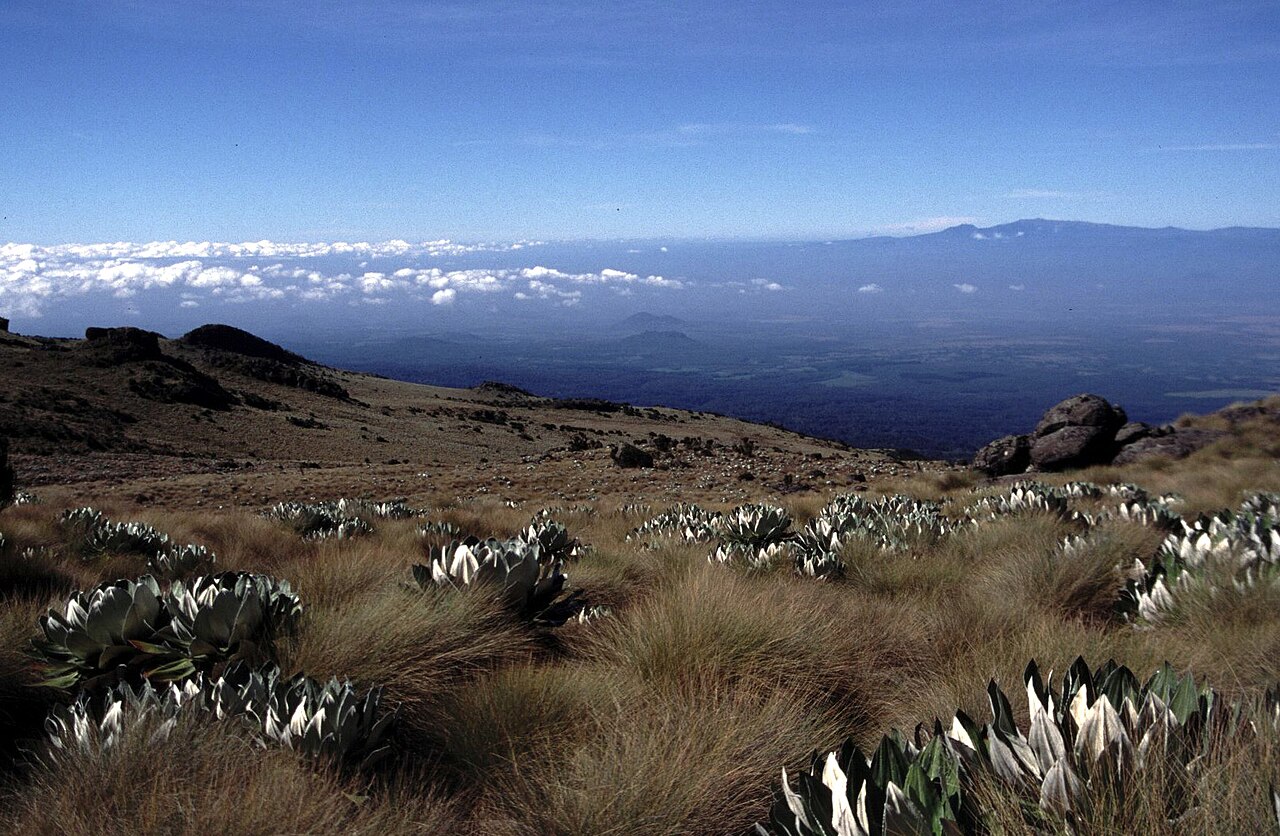
Mount Kenya is the clearest local example of what is at stake. The Mount Kenya Trust, an NGO working to conserve and restore the mountain’s forests since 1999, describes the peak as 5,199 metres high, about 140 km north of Nairobi, with 882 recorded plant species, 81 of them endemic. Its ecosystems supply water to over 3.5 million people across ten counties, and 27 forest-edge communities live beside it, many relying on restoration work, farming, timber and wood fuel.
The Trust lists unsustainable logging, agricultural expansion, charcoal burning, poaching and land encroachment among the pressures on the forest. FAO’s key messages for the 2026 day add a related warning: climate change, land degradation and conversion to other land uses are shrinking pastoral areas and disrupting livestock corridors, while croplands creep into higher-elevation rangelands.
The FAO material does not single out Kenya, so treat the Kenyan link as an implication for your own programming rather than a statistic. But the same dynamics, competition between farming, grazing, conservation and settlement, will be familiar to anyone working around Kenya’s mountains and highlands.
What do pastoralists need, according to FAO?
FAO’s key messages for the day cluster around four needs that NGOs can build programmes on:
- Secure land rights. Pastoral commons act as insurance during droughts and other hazards. FAO says strong pastoral governance and secure tenure, backed by legislation and community-based governance that recognise the right to move animals, are essential.
- Women’s access. Pastoralist women play a crucial role in managing rangelands and production, yet many lack secure land rights and access to credit and resources.
- Youth opportunity. Pastoralist youth bring innovation and new skills but need better access to education, digital tools, finance and entrepreneurship opportunities to avoid migrating out of mountain areas. FAO points to mobile schooling, incentives and associations as ways to help.
- Community-based management. Practices supported by innovation and sound policy can restore degraded land and strengthen climate adaptation, biodiversity conservation and disaster risk reduction.
How can a Kenyan NGO mark the day usefully?
A hashtag post is fine, but the day is better used as a deadline for something concrete. Five options that cost little:
- Register an event. FAO invites organisations to register their International Mountain Day activity and send photos for its global gallery. Hikes, school talks, craft fairs and photo exhibitions all qualify.
- Enter the photo contest. FAO’s 2026 contest is titled “Capturing life on mountain rangelands.” Check FAO’s page for the current rules before you promise a community group anything.
- Audit your land-tenure work. If you support groups with grazing or forest access, check where they stand on community land registration. Our Community Land Registration guide covers the steps.
- Link rangeland health to risk planning. The short rains make this timely. See our El Niño checklist for NGOs and our guide to anticipatory action.
- Pair it with World Soil Day. Soil Day follows on 5 December; one joint community session on land, soil and water saves staff time. Details in our World Soil Day action guide.
Whatever you choose, involve pastoralist and forest-edge communities as organisers, not as photo subjects. Get consent before sharing images of identifiable people, and avoid captions that speak for communities instead of quoting them.
Frequently asked questions
When is International Mountain Day 2026?
11 December 2026, as it is every year.
What is the 2026 theme?
“Mountain pastoralists: Sustaining rangelands, knowledge and livelihoods,” according to FAO, which leads the global observance.
Why is it linked to the International Year of Rangelands and Pastoralists?
FAO describes the 2026 day as its contribution to that international year, highlighting the environmental, social and economic importance of mountain rangelands.
Can a small Kenyan NGO take part?
Yes. FAO asks organisers to register events and share photos, and suggests activities as simple as hikes, school talks and photo competitions. No fee or accreditation is mentioned on its page.
Where can I find official resources?
FAO’s International Mountain Day page hosts the key messages, social media kit and event registration. The Mount Kenya Trust’s profile is a useful local reference.
Facts on the day, theme and key messages are from FAO’s International Mountain Day page; Mount Kenya figures are from the Mount Kenya Trust’s own description of its work. Dates and details can change, so confirm with FAO before publicising an event.


Leave your comment