

By the NGOs.ke Editorial Team
Psychological first aid (PFA) training in Kenya gives NGO staff and volunteers a short, structured way to support people in the first hours and days after a flood or other disaster. It isn’t counselling. PFA is non-clinical support built on three actions: look, listen and link. Trained lay responders can deliver it. Counselling is a regulated profession under the Counsellors and Psychologists Act, 2014. With the October–December 2026 El Niño rains approaching, the organisations that do this well will train their teams now, keep them on the PFA side of that line and have referral routes ready before the first camp opens.
This guide covers the practical questions. Who can do what? How does PFA fit into the wider mental health and psychosocial support (MHPSS) system? What should a small NGO have ready by mid-October?
Why does psychological first aid matter this October?
The numbers explain it. The Kenya Red Cross Society (KRCS) warned on 6 September 2026 that more than two million people could be affected by El Niño rains between October and December, with 46 of 47 counties at risk. The National Disaster Operations Centre puts its own estimate at about 1.5 million people affected and roughly 500,000 displaced. Most regions should see onset in the second and third weeks of October.
The March–May 2026 long rains were a rehearsal. KRCS tracked flooding across 41 counties. More than 85,000 households were affected, over 18,587 were displaced, and 66 camps were set up with county governments. Its own reporting from that season lists psychosocial support alongside food, shelter and WASH. The same reporting flags that volunteers themselves need safety measures and psychosocial support as pressure builds.
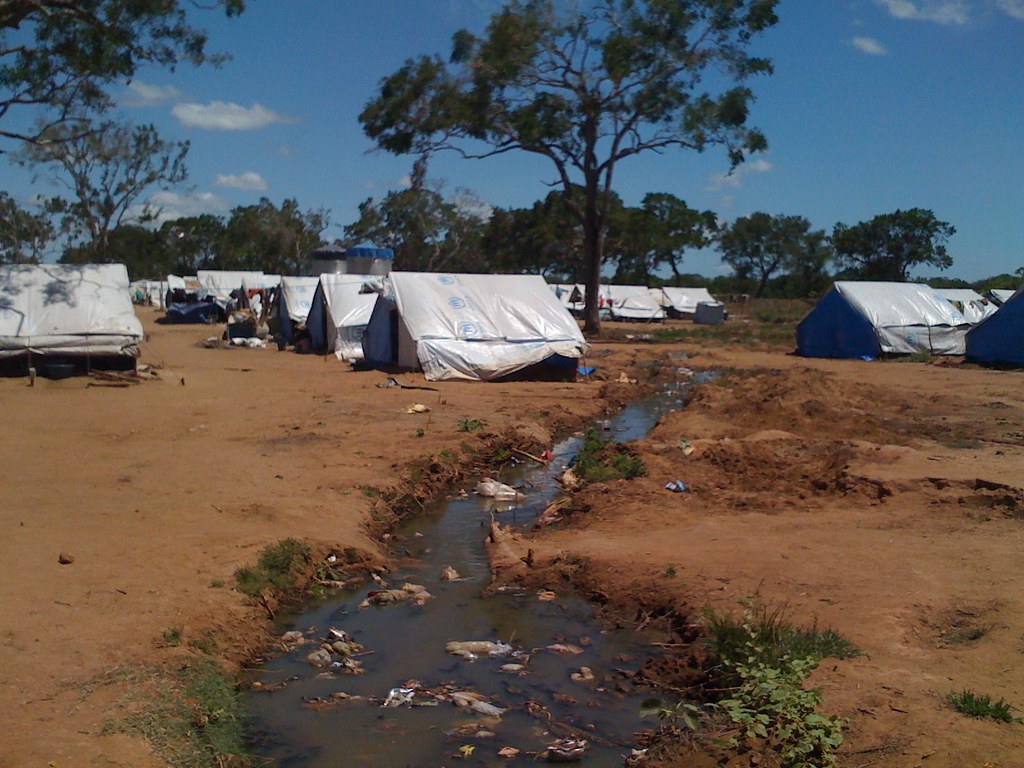
Put simply, thousands of people are about to have one of the worst weeks of their lives in a school hall or a tented camp. The first person who sits down with them is far more likely to be an NGO volunteer than a psychologist.
Key facts at a glance
| Item | What you need to know (as of September 2026) |
|---|---|
| What PFA is | Humane, supportive, practical help for people in serious crisis. Action principles: look, listen, link |
| Who developed the core guide | WHO, War Trauma Foundation and World Vision International |
| Who can deliver it | Trained non-specialists: staff, volunteers, community leaders. No mental health degree needed, but training is |
| Where it sits | IASC MHPSS pyramid, community/family supports and focused non-specialised support. It’s not specialised care |
| Counselling regulator | Counsellors and Psychologists Board (CPB), established 5 August 2022 under the 2014 Act |
| Practising while unregistered | Offence under s.37(1): fine up to KSh 500,000, up to 2 years’ jail, or both |
| Using the title “counsellor” or “psychologist” unregistered | Offence under s.37(2): fine up to KSh 50,000, up to 2 years, or both |
| National tele-counselling line | KRCS toll-free 1199 (backup: 0703 037 000) |
| Rains outlook | Onset mainly 2nd–3rd week of October; KRCS says 2M+ people could be affected |
What is the difference between psychological first aid and counselling in Kenya?
This is the question most course brochures skip, and it matters legally.
The WHO-backed PFA model is designed to be delivered by anyone at a crisis site who has been trained in it. Responders look for people who need urgent help or protection. They listen without pressure, meet basic needs and help people feel calmer. Then they link people to information, services and loved ones. PFA does not mean asking people to retell what happened in detail, and it does not involve diagnosis or ongoing treatment.
Counselling is a different thing in Kenyan law. The Counsellors and Psychologists Act, 2014 makes the Counsellors and Psychologists Board the single regulator for both professions. To practise, a person must be registered and hold an annual licence, which runs from 1 January to 31 December. The titles “counsellor” and “psychologist” are protected. Section 37 makes it an offence to practise, claim to practise or use either title without registration. It also says only a licensed person can recover a fee for these services.
For NGOs, three practical rules follow:
- Get the names right. Call volunteers “PFA responders” or “psychosocial support volunteers”, never “counsellors”, on ID badges, reports or donor proposals, unless they’re registered with the CPB.
- Keep the scope clear. Volunteers should support, stabilise and refer. They shouldn’t run repeated one-to-one “therapy” sessions.
- Check your clinical partners. If you contract or refer to a counsellor or psychologist, ask for their CPB registration certificate and current licence. The Board’s portal is on eCitizen.
This is general information, not legal advice. If your programme design sits close to the line, check with the Board directly.
Where does PFA fit in the MHPSS pyramid?
The Inter-Agency Standing Committee (IASC) guidelines, first published in 2007, describe MHPSS as four layers of support:
- Basic services and security. Shelter, food, water and safety, delivered in a way that protects dignity.
- Community and family supports. Family tracing, community spaces, restoring routines like school and worship.
- Focused, non-specialised supports. Trained, supervised workers helping individuals or groups. PFA-trained volunteers and structured group activities usually sit here.
- Specialised services. Psychological or psychiatric care from licensed professionals for the smaller number of people who need it.
The lesson for a Kenyan NGO is that most psychosocial value in a flood camp comes from the bottom two layers. A dignified registration queue, a safe corner for children and an accurate update about when people can go home all help. PFA connects those layers to the top of the pyramid, but it doesn’t replace them.
How should a Kenyan NGO set up PFA training before the rains?
1. Train a small core team, properly
Choose people who will actually be at distribution points and camps. Use a course built on the WHO or IFRC Psychosocial Centre PFA materials, and ask providers which one they use. Organisations offering PFA and trauma courses in Kenya include Skills for Africa and Clarity Counselling & Training Centre. Amref Health Africa has trained frontline health workers in PFA in several western Kenya counties. The free “Principles of Psychological First Aid” online course on DisasterReady, developed by International Medical Corps from the WHO guide, is a sensible pre-read.
2. Map referral routes by county
PFA fails at the “link” step if volunteers don’t know where to send people. Before onset, write a one-page referral sheet for each county you work in. Include the county health department’s mental health focal point, the nearest facility with a psychiatric nurse or clinical officer, gender-based violence and child protection referral points, and KRCS’s toll-free 1199 line.
3. Coordinate, don’t freelance
KRCS runs the country’s largest MHPSS operation and works alongside county and national disaster structures. Our guide to post-disaster counselling in Kenya explains how that system works. Join county coordination meetings so your volunteers are not the fourth team in a week asking the same family the same questions.
4. Protect the responders
KRCS has publicly flagged volunteer wellbeing as a pressure point. Build in rotations, short daily check-ins and a named supervisor. Give responders access to support of their own, whether that’s peer debriefs or referral to a licensed counsellor. Burnt-out volunteers make poor listeners.
5. Budget for it honestly
Donors increasingly expect MHPSS to be integrated into flood responses, not bolted on. Put training, supervision time, printed referral sheets and airtime for follow-up calls into your El Niño proposals as clear budget lines. Our El Niño 2026 preparedness guide covers the wider response plan these costs should sit within.
What should PFA volunteers avoid?
- Pushing people to describe traumatic events in detail.
- Promising outcomes they can’t control, like compensation, relocation or reunification dates.
- Photographing or recording distressed people for reports or social media.
- Diagnosing, or using clinical labels like “PTSD” in conversation.
- Carrying on alone with someone who is at risk of harming themselves or others. That calls for an immediate referral and a supervisor.
For year-round mental health work beyond disasters, see our World Mental Health Day 2026 guide for Kenyan NGOs.
Frequently asked questions
Do you need a licence to give psychological first aid in Kenya?
No licence is required for PFA as such. It’s designed for trained non-specialists. But practising counselling or using the titles “counsellor” or “psychologist” requires registration with the Counsellors and Psychologists Board, so keep PFA roles and job titles clearly separate.
How long is psychological first aid training?
Course lengths vary by provider, from short orientation sessions to multi-day courses. Pick one based on the WHO or IFRC PFA materials that includes practice role-plays, and plan refresher sessions before each rainy season.
Is PFA the same as MHPSS?
No. MHPSS is the whole system of support, from basic services and security up to specialised clinical care. PFA is one early, non-clinical intervention within it.
Where can flood survivors in Kenya get free counselling?
KRCS runs free tele-counselling on toll-free 1199, with 0703 037 000 as a backup. County health facilities and licensed partners provide in-person care on referral.
Can an NGO call its volunteers “lay counsellors”?
That’s risky. Section 37 of the Act restricts the title “counsellor” to registered practitioners. Use terms like “PFA responder” or “psychosocial support volunteer” instead.
Sources: Kenya Red Cross Society Floods 2026 update; Kenyans.co.ke (6 Sept 2026); Counsellors and Psychologists Act, 2014; WHO/War Trauma Foundation/World Vision International PFA guide; IASC MHPSS Guidelines. Official regulator: Counsellors and Psychologists Board.


Leave your comment