

By the NGOs.ke Editorial Team.
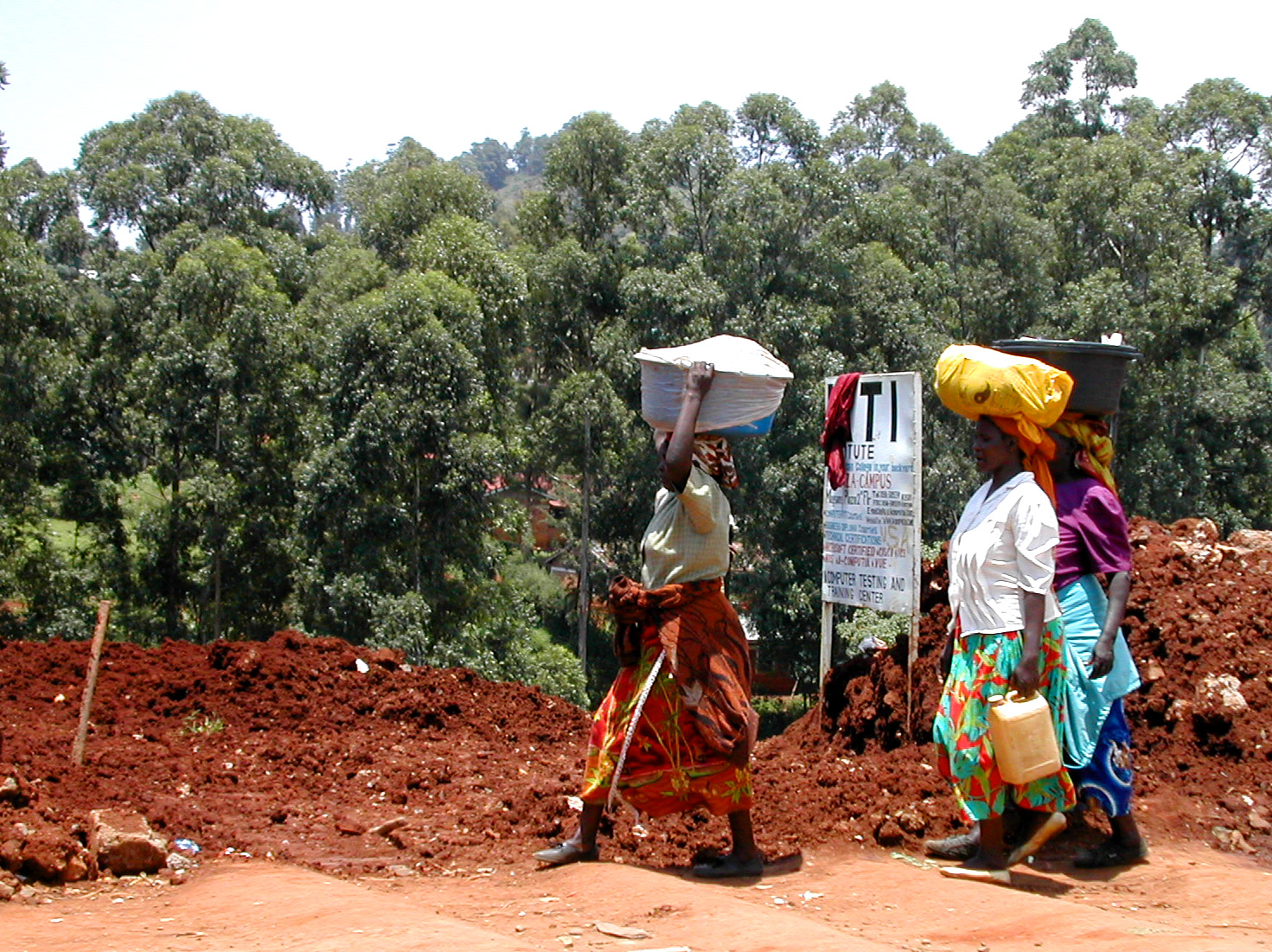
The International Day of Care and Support is observed every 29 October, and in Kenya the numbers behind it are hard to ignore: according to UN Women, women spend 4 hours 38 minutes a day on unpaid care work, against 1 hour 1 minute for men. For NGOs, the day is a timely hook to look at how programmes either lean on women’s unpaid time or help share it, ahead of the 2026 observance on 29 October.
What is the International Day of Care and Support?
The UN General Assembly proclaimed the day in resolution A/RES/77/317, to be commemorated each year on 29 October. UN Women says the resolution acknowledges the disproportionate burden of unpaid care and domestic work on women and girls, and recognises care workers as essential workers. Member States, the UN system, civil society, the private sector and academia are all invited to mark it. We did not find an official 2026 theme this run, so we are not quoting one.
What do the Kenya numbers show?
UN Women Africa, writing in July 2025 about Kenya’s draft National Care Policy, cites the 2022 Kenya Time Use Survey and the National Care Needs Assessment. The headline figures:
| Indicator | Figure cited by UN Women |
|---|---|
| Women’s unpaid care work | 4 hours 38 minutes a day |
| Men’s unpaid care work | 1 hour 1 minute a day |
| Women’s yearly load | About 196 full-time workdays, four times men’s |
| Kenyans needing care | 19.2 million (two in five) |
| Care economy | 7% of total employment; women are two-thirds of the care workforce |
| Share of public spending | 23% of national and 32% of county expenditure, mainly health |
UN Women also notes that the number of older people needing care is expected to triple by 2045, and that care investment is fragmented without a single policy framework.
Where is Kenya’s National Care Policy?
Work on the policy began in 2023 with consultations involving the Ministry of Gender, the Kenya National Bureau of Statistics and civil society. As of the UN Women July 2025 report it was still a draft, and national and county gender officers were being prepared for technical working group meetings. We could not confirm an adoption date, a bill or an implementation budget, so check the State Department for Gender and Affirmative Action before citing a status in a proposal.
The draft is built around “5R+”: recognise, reduce, redistribute, reward, represent and resource unpaid care work, including gender-responsive care planning in national and county budgets.
How can an NGO apply this to its own programmes?
- Audit your time asks. Training days, committee meetings and village savings sessions all assume free hours. Ask who looks after children or relatives while participants attend.
- Budget for care. Childcare, transport and timing adjustments are legitimate programme costs that donors increasingly expect to see.
- Measure it. Add a simple time-use question to baseline and endline surveys, in line with our M&E guide for small NGOs.
- Link to existing programmes. Our notes on rural women and Inua Jamii cash transfers show where care burdens meet livelihoods and social protection.
- Engage the county. Gender officers were the audience for the 2025 workshop, so they are a natural first contact for local care-policy input.
For the full UN Women briefing, see Kenya advances toward a National Care Policy.
Frequently asked questions
When is the International Day of Care and Support?
29 October every year, under UN General Assembly resolution A/RES/77/317.
How much unpaid care work do Kenyan women do?
UN Women, citing the 2022 Kenya Time Use Survey, reports 4 hours 38 minutes a day for women and 1 hour 1 minute for men.
Has Kenya adopted a National Care Policy?
UN Women described it as a draft in July 2025. We found no confirmed adoption date, so verify the current status with the government.
What does 5R+ mean?
Recognise, reduce, redistribute, reward, represent and resource unpaid care work.
What is a low-cost first step for an NGO?
Add a care question to your next programme feedback form and adjust meeting times to match.


Leave your comment