

By the NGOs.ke Editorial Team.
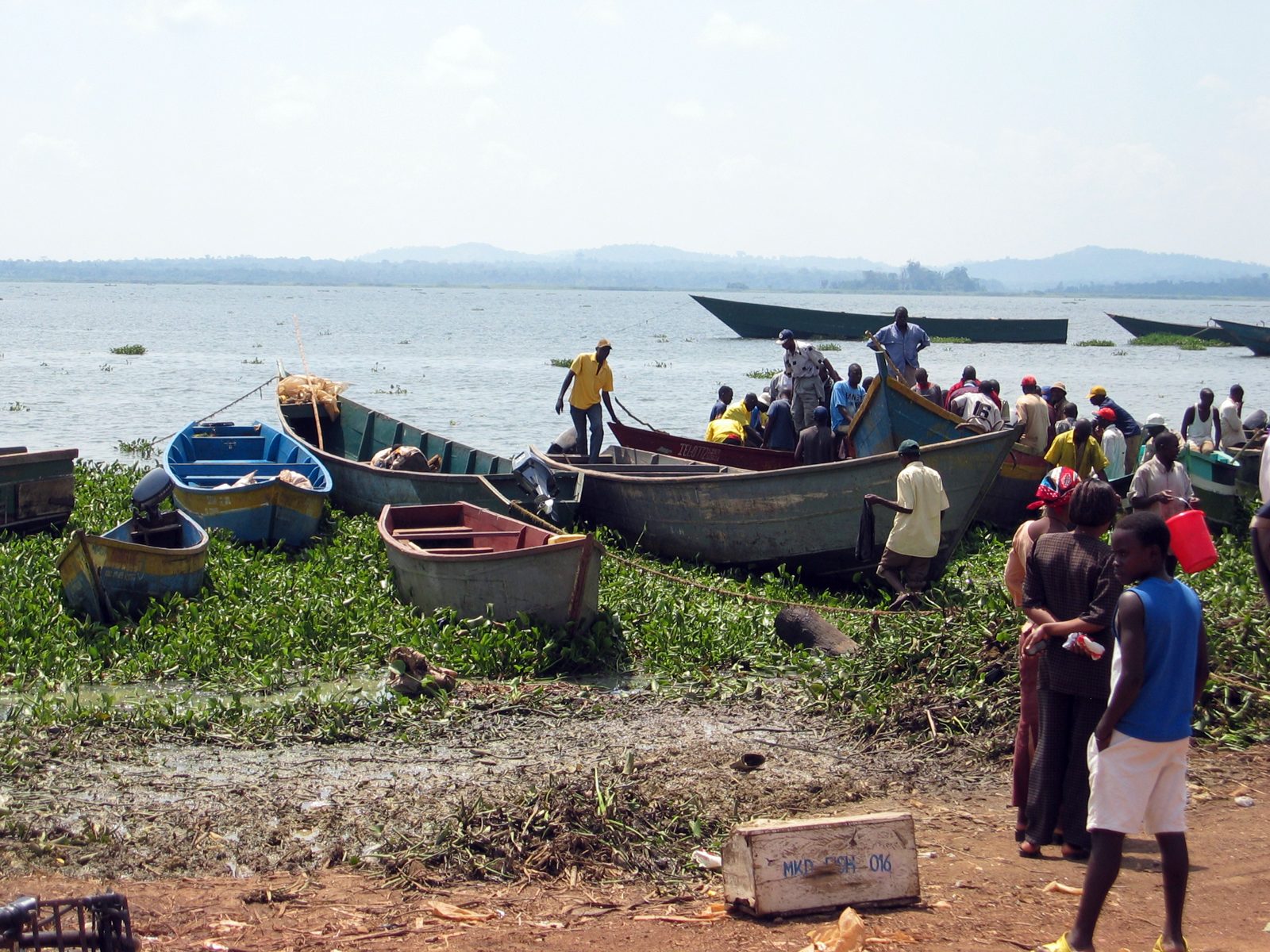
World Fisheries Day falls on Saturday 21 November 2026. For Kenyan NGOs it is a practical hook for work with fishing communities, who depend on fish for income and food but face shrinking catches in some waters. The Kenya Fisheries Service (KeFS) recorded 168,424 tonnes of fish in 2024, worth Sh39.6 billion, yet Lake Victoria, the country’s biggest fishery, produced 4% less than the year before.
What is World Fisheries Day?
It is observed every 21 November to draw attention to sustainable fishing, healthy aquatic ecosystems and the people who work in the sector. It is an observance rather than a public holiday, so any organisation can mark it with a community event, a campaign or a policy briefing.
How much fish does Kenya produce, and where does it come from?
KeFS figures for 2024, reported by Eastleigh Voice in September 2025, show output up 4.4% from 161,307 tonnes in 2023.
| Source (2024) | Tonnes | Value |
|---|---|---|
| Inland capture fisheries | 86,527 | Sh14.5 billion |
| Marine fisheries | 48,474 | Sh18.6 billion |
| Aquaculture | 33,423 | Sh9.9 billion |
| Total | 168,424 | Sh39.6 billion |
Aquaculture grew 5% from 31,767 tonnes in 2023, and most of it (25,547 tonnes) came from cage culture. Marine fish are worth more per tonne than inland catch, which matters for coastal programme design.
Is Lake Victoria’s fishery recovering?
The signals are mixed. KeFS put Lake Victoria’s 2024 catch at 67,575 tonnes, down 4% from 70,313 tonnes, and blamed fishing pressure, destruction of fish breeding habitat and illegal, unreported fishing. Lake Turkana also slipped, from 15,899 to 15,618 tonnes, with high water levels limiting access to fishing areas.
County officials tell a more upbeat story. Migori County’s Lucas Mosenda told the Kenya News Agency that the Fisheries Department counts around 44,200 fishers on the lake by June 2025, down from 57,137 in 2023/2024, while catch rose to about 115,000 metric tons by March 2025 from 97,500. Those figures use different periods and methods from KeFS’s, so treat them as a county view, not a reconciled national number. What both sources agree on is that fewer people are chasing the fish.
What can an NGO do around 21 November?
- Work through Beach Management Units. Fishers are now licensed through BMUs, which hold member records. They are the natural entry point for training and savings groups.
- Back alternative livelihoods. As fisher numbers fall, support for fish processing, cage-culture cooperatives and fish ponds can ease pressure on wild stocks.
- Support women in the value chain. Smoking, drying and trading fish are often women’s work. Ask funders for budget lines for cold storage and market access, not only boats and nets.
- Raise illegal fishing and habitat loss with county governments. KeFS names both as drivers of the Lake Victoria decline.
- Link up with climate work. Rising lake levels are already cutting access on Turkana. Our guide to anticipatory action in Kenya shows how early warning can protect livelihoods.
Why does this matter for poverty work?
Fishing households often sit just above the poverty line, with little savings to absorb a poor season. Read our overview of what is working in poverty alleviation, and see how locally led funding can put money in the hands of community groups. For global guidance, see the FAO Fisheries and Aquaculture Division.
Frequently asked questions
When is World Fisheries Day in 2026?
Saturday 21 November 2026.
How much fish did Kenya produce in 2024?
168,424 tonnes valued at Sh39.6 billion, according to KeFS.
Which Kenyan water body produces the most fish?
Lake Victoria, with 67,575 tonnes in 2024 per KeFS, although that was 4% lower than in 2023.
Why are Lake Victoria catches falling?
KeFS cites increased fishing pressure, destruction of fish-critical habitat and illegal, unreported fishing.
How are Kenyan fishers licensed?
Through Beach Management Units, according to Migori County’s fisheries officials.
Sources: Eastleigh Voice (18 Sep 2025), citing Kenya Fisheries Service data; Kenya News Agency, “Lake Victoria fish stock improving due to controlled fishing”.


Leave your comment