
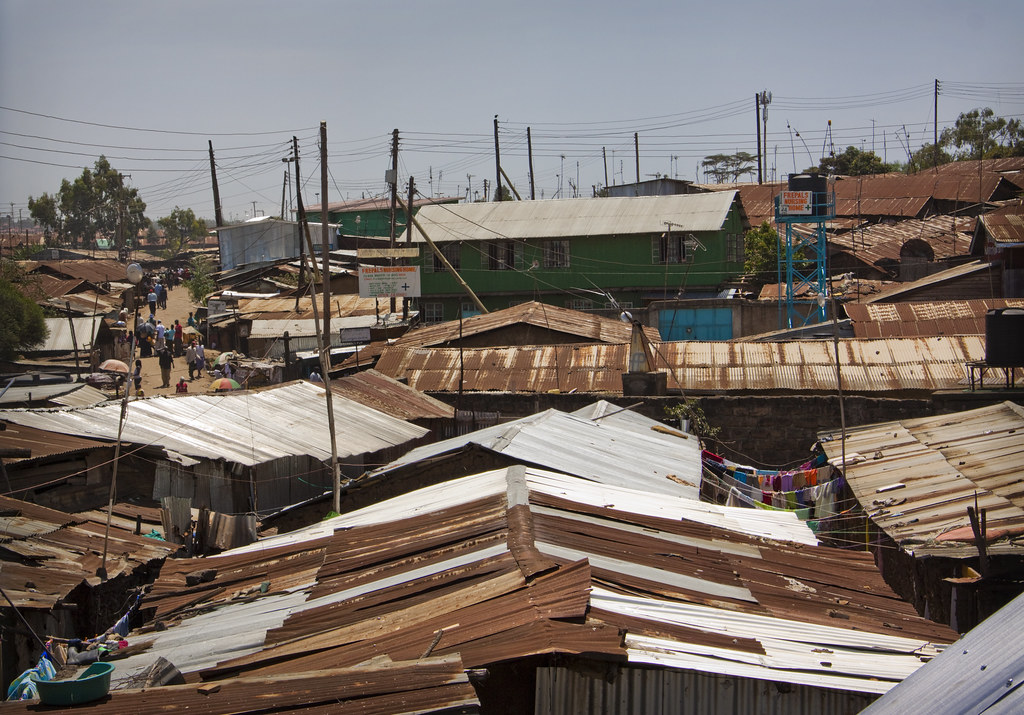

By the NGOs.ke Editorial Team
World Habitat Day 2026 falls on Monday, 5 October, under the UN theme “Adequate Housing for All.” For Kenyan NGOs, it’s the opening of Urban October, a month-long window that runs to World Cities Day on 31 October. This year it lands at an awkward moment: the Kenya Meteorological Service Authority expects above-average short rains over about 80% of the country, starting in the second and third weeks of October. That puts people in informal and flood-prone housing at the centre of the day’s agenda. This guide covers the dates, the Kenyan housing numbers worth knowing as of late September 2026, and practical ways your organisation can take part.
What is World Habitat Day 2026 and when is it?
The UN General Assembly designated the first Monday of October as World Habitat Day in 1985. It’s a day to look at the state of towns and cities and at the basic right to adequate shelter. In 2026 that Monday is 5 October.
The global observance moves this year. Nairobi, home to UN-Habitat’s headquarters, hosted it in 2025. For 2026 it goes to Muscat, Oman, from 5 to 8 October at the Oman Convention and Exhibition Centre. Registration for the Muscat event closes on 2 October 2026 at 18:00 (UTC+4).
The UN frames the problem bluntly. More than 3 billion people lack access to adequate housing, more than 1.1 billion live in informal settlements, and hundreds of millions experience homelessness. The 2026 theme asks for secure land tenure, well-serviced neighbourhoods and a wider mix of housing options, including social, rental, cooperative and community-led models, all of it climate-resilient.
Key dates for Kenyan NGOs this Urban October
| Date (2026) | What’s happening | Why it matters for NGOs |
|---|---|---|
| 2 October | Registration deadline for the Muscat global observance | Last chance to register delegates for the global event |
| 5 October | World Habitat Day; Scroll of Honour awards presented in Muscat | Anchor date for local events, statements and media work |
| 5–8 October | Global observance, Muscat, Oman | Online sessions and outputs you can reference locally |
| Mid to late October | Short rains expected to begin in most regions (KMSA) | Flood and landslide risk for informal and riverside housing |
| 31 October | World Cities Day, closing Urban October | Second hook for reporting results or follow-up advocacy |
Where does Kenya’s housing picture stand in 2026?
The government’s own numbers set the context for any World Habitat Day message in Kenya. Here’s what’s on the public record as of September 2026:
- Housing deficit: the government estimates a shortage of more than two million units, with demand growing by about 200,000 homes a year, mostly in towns (reported by Mwakilishi, 9 September 2026).
- Affordable Housing Programme completions: Housing PS Charles Hinga said in early August that 8,807 units were complete and 198,726 were under construction, alongside 37,347 student accommodation units (Sacco Review, 3 August 2026).
- Delivery pace: annual completions rose from about 1,655 units in 2024 to more than 6,700 in 2025, still well below the stated target of 200,000 to 250,000 a year.
- Money: the Controller of Budget reported that the affordable housing sub-programme spent KSh 122.18 billion of a revised KSh 124 billion allocation in the 2025/26 financial year, funded largely by the 1.5% housing levy.
- Demand signal: more than 1.3 million people have registered on the Boma Yangu platform, and the minimum deposit has been cut from 10% to 5%.
- Informal settlement upgrading: the second Kenya Informal Settlements Improvement Project (KISIP 2), a US$165 million World Bank IDA and Government of Kenya project, is due to close in 2026. It targets tenure security and basic services in informal settlements.
Look at those numbers side by side and the gap shows. Thousands of units are finished, but the need runs into millions, and the lowest-income households still struggle with even a reduced deposit. That’s where NGOs working on housing rights, tenure and resilience have something concrete to say on 5 October.
Why the short rains make this year’s theme urgent
KMSA’s October–December 2026 outlook, released at the 13th National Climate Outlook Forum, flags above-average rainfall in counties including Nairobi, Mombasa, Kilifi, Nakuru, Kiambu, Machakos, Makueni, Garissa, Mandera, Wajir, Kisumu, Kakamega, Kisii, Nyeri and Nyandarua. The forecast warns of flash floods in low-lying and poorly drained urban areas, and of landslides in hilly terrain.
Those are the same places where informal housing sits on riverbanks and drainage lines. Earlier this year, flooding displaced thousands of households; we covered how NGOs are rebuilding shelter after Kenya’s 2026 floods. Environment and Climate Change PS Festus Ng’eno put the message simply at the forecast launch: move from climate information to early action. World Habitat Day is a good public moment to do exactly that.
How can Kenyan NGOs mark World Habitat Day 2026?
You don’t need a big budget. The strongest activities tie the global theme to a specific settlement, county or policy question.
1. Register an Urban October event
UN-Habitat invites civil society groups to post their own in-person, online or hybrid events on the Urban October website, with a free event toolkit. Listing a community forum or site visit puts your work on the global map and costs nothing.
2. Run a flood-readiness walk in an informal settlement
Pair the housing theme with the rains. Walk drainage channels with residents and ward administrators, map blocked culverts and at-risk structures, and share the findings with the county disaster office before the rains start. Our El Niño 2026 preparedness guide has a fuller checklist.
3. Host a tenure and rights clinic
Tenure insecurity sits behind most evictions and much of the reluctance to invest in better homes. A half-day clinic with a legal aid partner, explaining tenancy rights, what documents residents hold and how upgrading projects allocate units, is practical and fits the theme squarely. If you work in Nairobi, our explainer on Kibera’s housing upgrade covers the allocation questions residents ask most.
4. Publish a short, evidence-based position
Use the public figures above. A two-page brief comparing completions with need in your county, or looking at whether social housing units are reaching the lowest-income households, is far more useful to journalists and county assemblies than a generic statement.
5. Bring residents’ voices into the room
Settlement committees, women’s savings groups and youth groups often understand local housing problems better than anyone. Give them the microphone at your event, with informed consent for any photos or quotes.
What messages work best on the day?
- Keep it local: name the settlement, the ward and the specific risk.
- Use verified numbers and cite them. Housing figures are politically contested ahead of 2027, so accuracy protects your credibility.
- Link housing to other rights: water, sanitation, safety for women and girls, and access to school.
- End with a clear ask for a named decision-maker, such as a drainage budget line, a tenure regularisation timeline or a grievance mechanism.
- Use the official hashtags #WorldHabitatDay, #WHD2026 and #UrbanOctober to join the wider conversation.
For the official theme materials, concept note and toolkit, see the UN’s World Habitat Day page.
Frequently asked questions
When is World Habitat Day 2026?
Monday, 5 October 2026. It always falls on the first Monday of October and opens Urban October, which ends with World Cities Day on 31 October.
What is the World Habitat Day 2026 theme?
“Adequate Housing for All.” It focuses on the policies, partnerships and practical solutions needed to make the right to adequate housing real, especially for low-income households and people affected by crises and displacement.
Where is the World Habitat Day 2026 global observance?
Muscat, Oman, from 5 to 8 October 2026. Nairobi hosted the 2025 global observance.
Can a small Kenyan CBO take part in Urban October?
Yes. UN-Habitat accepts events from civil society organisations of any size through the Urban October website, and the event toolkit is free to download.
How many affordable housing units has Kenya completed?
The State Department for Housing reported 8,807 completed units in August 2026, with nearly 200,000 more under construction. Figures change often, so check the latest official update before quoting them.
Also worth a read: Affordable Housing Kenya: Prices Rise Oct 1, Apply by Sept 29 — from 254.ke, part of the NGO Summit media network.


Leave your comment