
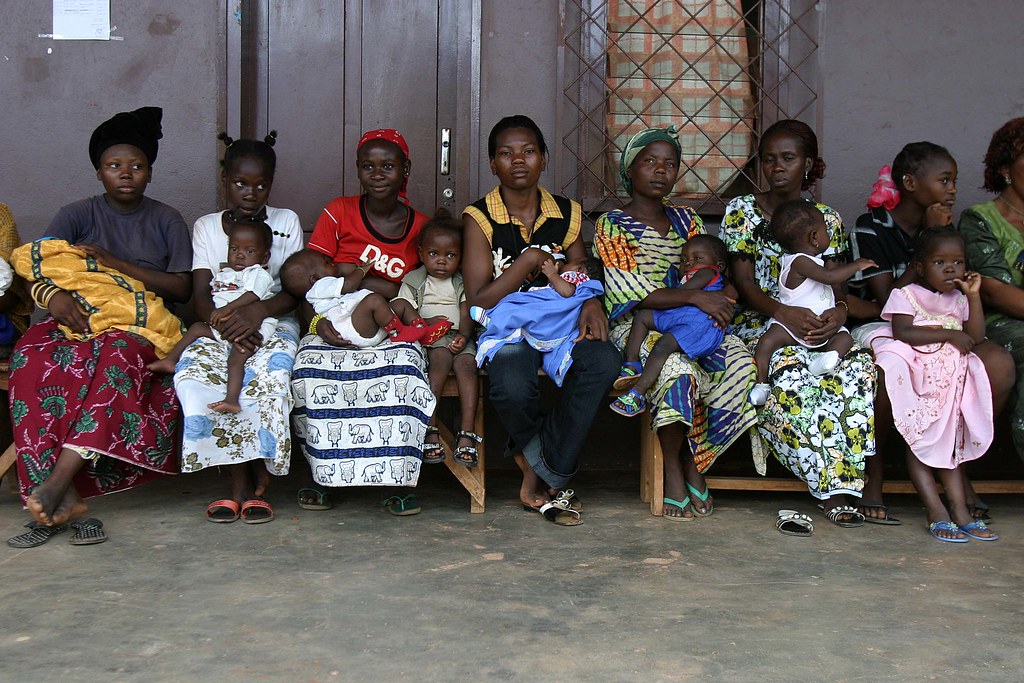

By the NGOs.ke Editorial Team.
What does World Polio Day on 24 October mean for Kenyan NGOs? It is the day the global health community takes stock of the push to end polio, and for Kenya the message is practical: the country has been re-infected more than once since wild poliovirus was eliminated, and the gaps that let it back in are the ones community organisations are best placed to close. As of October 2026, the useful question is not “how do we mark the day” but “which under-reached children can we help find before the next campaign.”
World Polio Day 2026 at a glance
| Item | Detail |
|---|---|
| Date | 24 October 2026 |
| Convened by | Rotary International and the Global Polio Eradication Initiative partners |
| Rotary funding match | Donations matched 2:1 by the Bill & Melinda Gates Foundation, per Rotary |
| Kenya’s history | Wild poliovirus imported from South Sudan in 2009 (19 cases, Turkana); eradicated in Kenya in 2014 per WHO |
| Current risk | Vaccine-derived poliovirus detected in border and urban settings, 2021 to 2024 |
Why is polio still a Kenyan problem?
Because the virus travels and immunity gaps persist. In 2021 a mutated, vaccine-derived strain was detected in Garissa and Mombasa. WHO reported that about 300,000 children in high-risk counties had missed routine polio doses between 2018 and 2020, and a response campaign targeted more than three million children across 13 counties and the Dadaab camps.
It happened again. Six cases in children were reported in Dadaab and Hagadera camps in June 2023, followed by three campaigns that August, October and November. The Ministry of Health aimed for 7.4 million children under five; IOM reports more than 4 million were vaccinated by the end. In October 2024, Kenya and Uganda ran a synchronised campaign from 3 to 6 October that reached over 6.5 million children, after a case in Mbale, Uganda was traced to Garissa.
Where do NGOs make a difference?
Campaign teams are good at vaccinating the children who are found. The hard part is finding the ones who are not. The Kenya-Uganda border is about 870 km, porous, with at least 20 unmarked crossings beyond the official Lwakhakha point. Mobile pastoralist families, urban informal settlements and refugee communities are repeatedly the missed groups.
- Community mobilisation. IOM trained community health workers specifically to address language and cultural barriers in 2023. Local groups can do the same, in the languages families actually use.
- Tracing zero-dose children. Registers of births, school enrolment and market-day contacts can flag children who have never had a dose.
- Misinformation response. Rumours about oral vaccines travel faster than a campaign poster. Trusted local voices matter more than branding.
- Water and sanitation. Vaccine-derived poliovirus emerges in under-immunised communities with poor sanitation, as WHO notes. Our cholera prevention WASH guide covers the overlap.
- Displacement settings. With funding shifting, see how refugee aid cuts could thin health outreach in camps.
A simple plan for 24 October
Skip the symbolic event if your team is stretched. Instead, ask your county health management team three questions: when is the next supplementary immunisation round, which wards were under-covered last time, and where do they need volunteers or transport? Then offer something specific. Mobile money payments are already used to pay vaccination workers in Kenya, so even small logistics support is easy to route.
Anyone working near a border or camp should also share information promptly. Report any child with sudden limb weakness to the nearest health facility straight away; acute flaccid paralysis surveillance depends on it.
Frequently asked questions
When is World Polio Day 2026?
24 October 2026, as in every year.
Is Kenya polio-free?
Wild poliovirus was eradicated in Kenya in 2014, per WHO, but vaccine-derived poliovirus has been detected several times since, including 2021, 2023 and 2024. Check the Ministry of Health for the latest status.
Can an NGO give polio vaccines?
No. Vaccination is delivered through the Ministry of Health and county health teams. NGOs support with mobilisation, tracing, logistics and community trust.
Who funds polio eradication?
Partners include Rotary, the Gates Foundation, WHO and UNICEF. Rotary says its donations are matched 2:1 by the Gates Foundation.
Where can I read more?
See the WHO Africa report on Kenya’s 13-county response and Rotary’s World Polio Day page.


Leave your comment