

By the NGOs.ke Editorial Team.
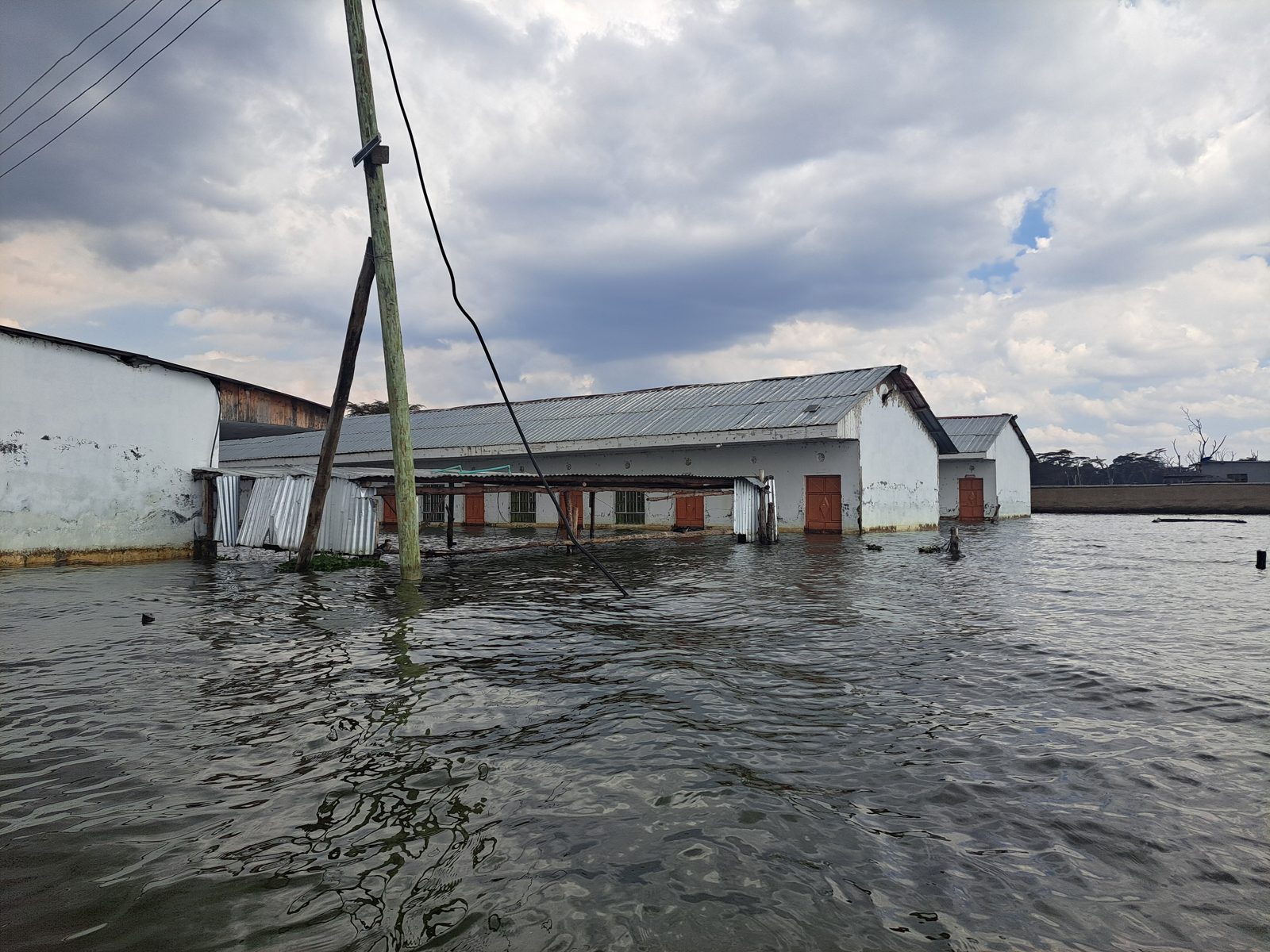
Flood trauma in Kenya does not end when the water drops. Survivors of the March 2026 floods described nightmares, panic at the sight of dark clouds and months without proper sleep, according to a psychologist and families interviewed by the Daily Nation on 12 March 2026. With the October to December short rains now under way, NGOs and community groups have a narrow window to put mental health support in place before the next flood arrives.
What did the 2026 floods leave behind?
Wikipedia’s timeline of the 2026 Kenya floods, which draws on police and media reports, puts the main flooding between 6 March and late May 2026. It lists 112 deaths as of 3 April, and at least 34,765 people displaced across 30 counties by the end of March, citing Daily Nation reporting. Landslides killed a further 18 people in early May in Tharaka Nithi, Elgeyo-Marakwet and Kiambu. Those figures come from a secondary compilation, so check them against official updates before quoting them in a funding proposal.
Numbers like these describe loss of life and housing. They say little about the people who got out alive.
What does flood trauma look like?
Arthur Gichuru, a psychologist at Serenityminds Wellness in Nairobi, told the Daily Nation that a disaster breaks a person’s sense of safety and control, and that the emotional damage can outlast the visible damage. The symptoms he listed are worth knowing for any field team:
- Nightmares, trouble sleeping and constant tiredness.
- Panic or dread when heavy rain falls or the sky darkens.
- Persistent anxiety, chronic stress and fear that another disaster is coming.
- Signs of depression: hopelessness, withdrawal and loss of motivation.
- Post-traumatic stress, which can leave a person afraid to leave the house.
One Mathare resident told the paper that her mother had become a different person after losing relatives in the 2024 floods, and that the family was the only counselling she had. That detail matters: for many households, support depends on relatives who are themselves grieving.
Why is support hard to find after a flood?
The same Nation report says psychosocial help is difficult and costly to reach outside the capital, and some Pipeline residents said officials took their names but gave no tangible help. Few settlements have a counsellor nearby. That is the gap community-based programmes can fill, because the first layer of support does not need a clinic.
How can an NGO respond before the short rains peak?
The World Health Organization’s psychological first aid guide for field workers, first published in 2011, teaches a simple sequence: look, listen and link. Look for safety and urgent needs, listen without pushing people to talk, and link them to services, family and information. Our guide to psychological first aid training in Kenya covers how to get staff trained. The steps below focus on what to do on the ground this season.
- Map who can refer. List the nearest county mental health officer, counsellors, health facilities and any association of psychologists or counsellors, with phone numbers, before a flood hits.
- Add mental health to rapid assessments. Ask about sleep, fear and children’s behaviour alongside shelter, food and water.
- Set up child-friendly spaces. Gichuru recommends safe spaces for children using storytelling and art, which also gives caregivers time to rest.
- Brief frontline volunteers. Teach volunteers what not to do: no forced storytelling, no promises, no pressure to “be strong”.
- Plan for follow-up. Symptoms can appear weeks later, so schedule a second visit rather than a single drop-in.
- Look after your own team. Search and rescue crews and relief staff see the worst of it. Build in debriefs and rest.
If your organisation is also planning relief logistics, see how to help Kenya flood victims and the El Niño health and food security checklist.
Quick reference
| Question | Short answer |
|---|---|
| Main 2026 flood period | 6 March to late May 2026 |
| Deaths reported by 3 April | 112 (per Wikipedia timeline) |
| Displaced by end of March | At least 34,765 |
| Common reactions | Nightmares, panic in rain, anxiety, depression |
| First-line response | Psychological first aid: look, listen, link |
Frequently asked questions
Is it normal to feel afraid every time it rains after a flood?
Yes. Fear of rain and dark skies is a common reaction after a disaster. If it lasts for weeks and interferes with daily life, the person should see a health worker or counsellor.
Can volunteers give psychological first aid without being counsellors?
Yes. WHO’s guide was written for people who are not mental health professionals. It teaches basic, practical support and when to refer someone on.
How soon after a flood should support start?
Immediately, with safety, food, shelter and a calm listening ear. Plan follow-up visits for later, since some symptoms emerge after weeks.
Who in Kenya offers counselling after disasters?
The Kenya Red Cross, humanitarian agencies such as Médecins Sans Frontières, private counsellors and professional bodies like the Kenya Counsellors and Psychologists Association all feature in recent coverage. Check availability in your county.
Where does this information come from?
Survivor and psychologist accounts come from the Daily Nation (12 March 2026); flood figures from Wikipedia’s 2026 Kenya floods page; method from the WHO guide.
The official reference for field teams is the WHO Psychological first aid: Guide for field workers. Written October 2026.


Leave your comment