

By the NGOs.ke Editorial Team. Updated 28 October 2026.
The deadline to file human rights compensation claims in Kenya is 14 November 2026. The Panel of Experts on Compensation of Victims of Human Rights Violations says it “will stop receiving all new victim claims” after that date, and the announcement came only on 27 October. That leaves roughly two and a half weeks. If your organisation works with families bereaved or injured in protests, or with people who lost a business to looting or violence, this is the window to get them filed.
Key facts at a glance
| Cut-off for new claims | 14 November 2026 |
| Who decides claims | Panel of Experts on Compensation of Victims of Human Rights Violations (chair: Prof Makau Mutua) |
| Harms covered | Deaths, injuries, sexual violence, economic losses and other recognised harm |
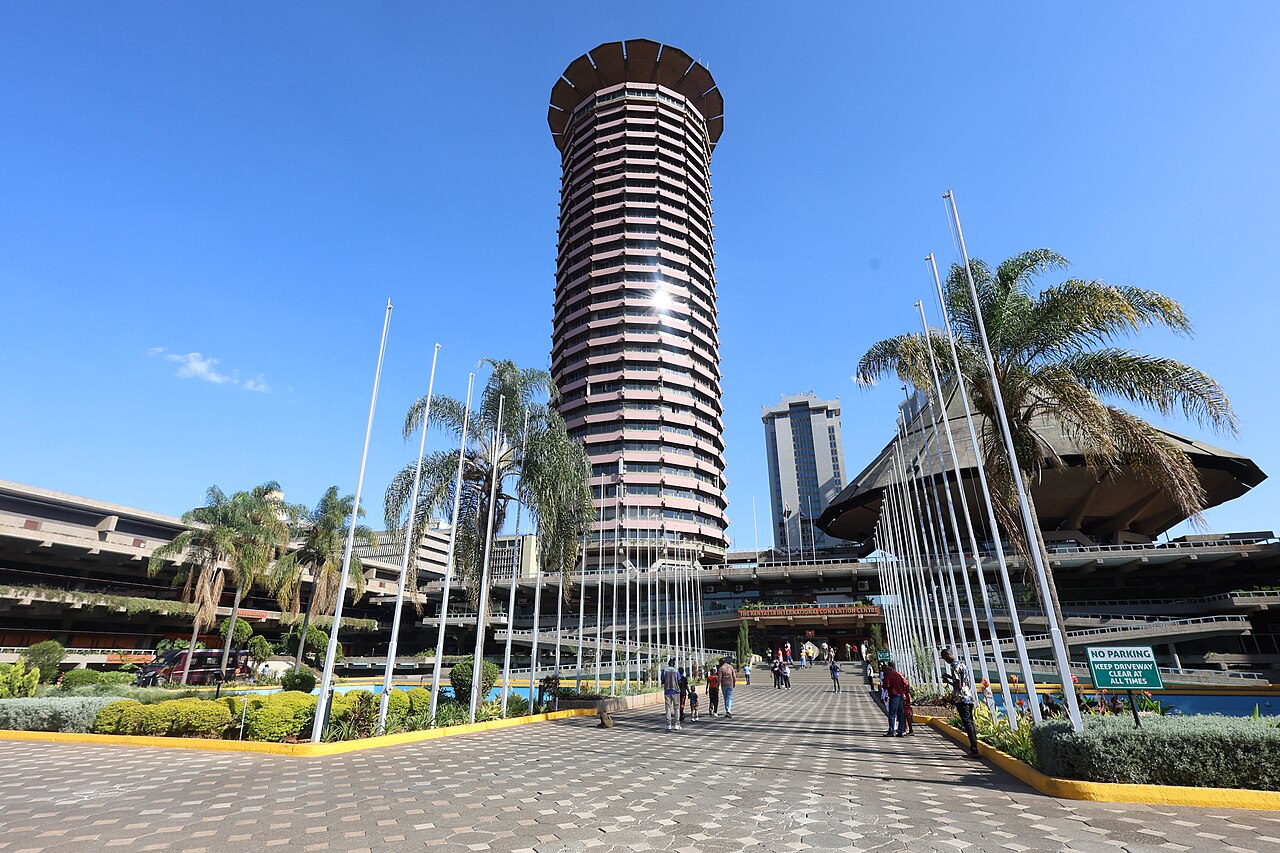
| Where to go in person | The panel’s offices, ground floor, Kenyatta International Convention Centre (KICC), Nairobi |
| Government allocation | Ksh 2 billion, announced for protest victims between 2013 and 2025 |
| Paid so far | About Ksh 1.01 billion across 1,083 claims by mid-September; Ksh 83.65 million approved for 259 more claims in the sixth phase on 8 October |
| Already filed? | No need to file again; existing claims will be processed |
What happens if a claim misses 14 November?
The panel’s statement says new claims stop being received after the cut-off. Reports of the announcement do not mention any extension or exception, so treat the date as firm. Claims filed or lodged before it will still go through verification and authentication, and decisions come “in due course.” An inquiry alone does not count as a formal claim, so a phone call to ask questions is not enough.
Who can claim?
The programme covers victims of human rights violations linked to demonstrations and public protests. The panel is processing claims for deaths, injuries, sexual violence and economic loss, plus what it calls other recognised forms of harm. President William Ruto has said the programme would also reach families of people whose bodies were recovered from River Yala and other victims of alleged extrajudicial disappearances. Uniformed officers who were injured have also been paid; the panel’s October approvals included both civilians and police.
Full eligibility criteria have not been published in the coverage we reviewed, so confirm details with the panel directly before telling a family they do or do not qualify.
How do you file a claim?
The one channel named in recent reporting is walking in to the panel’s offices at KICC. Earlier in the year the Kenya National Commission on Human Rights (KNCHR) collected claims by phone, SMS, email, WhatsApp, a toll-free line and at its offices, with supporting documents such as medical reports, IPOA reports and post-mortem reports. Because processes have shifted between bodies, the panel advises applicants to check its published channels for the current procedure.
Documents help. For economic-loss claims, the panel has said supporting evidence includes business records, police records, photographs and witness statements. For injury or death claims, the KNCHR guidance pointed to medical, IPOA and post-mortem reports. If a family does not have every document, file anyway and keep the paperwork trail; a late-found document can follow the claim, but a missed deadline cannot be undone.
What have claimants actually received?
Payments have been made in phases. By mid-September, about Ksh 1.01 billion had been paid across 1,083 claims, including 139 economic-loss claims for mostly small and informal traders. On 8 October the sixth phase approved Ksh 83.65 million for 259 claims. That included Ksh 35 million for 35 people with severe injuries and Ksh 27 million for 54 claimants with moderate injuries. The panel has also set aside Ksh 105 million for victims of torture and enforced disappearances, pending the outcome of Petition No. E488 of 2026.
How can NGOs and community groups help before 14 November?
- Build a list now. Identify people you already know of: families of the dead, people injured at protests, traders whose stalls or shops were destroyed.
- Offer a documents clinic. A paralegal and a volunteer with a phone camera can photograph and organise records in an afternoon.
- Cover the cost of getting to Nairobi. Transport and a night’s stay are a real barrier for families upcountry. Even a small fund pooled across partners helps.
- Protect people’s privacy. Claims involve medical and sexual-violence information. Get written consent, store records securely, and review our guide on data protection compliance for NGOs in Kenya.
- Support survivors, not just filings. Many claimants will need counselling or safe accompaniment. Our psychological first aid guide is a useful starting point.
- Do not charge or promise outcomes. Never ask a victim for a fee to file, and do not guarantee an amount. Fraudsters often target compensation schemes, so point people only to official channels.
For wider context on protecting people who speak up, see our pieces on the Haki Village protection hub and End Impunity Day. Policy debate on reparations is also continuing; KNCHR has been drafting a Reparations Policy and Bill with civil society in its consultation structures, so organisations with documented caseloads have a voice there.
Frequently asked questions
What is the deadline for human rights compensation claims in Kenya?
14 November 2026. After that, the Panel of Experts will not receive new claims.
Where do I submit a claim?
Reports name the panel’s offices on the ground floor of KICC in Nairobi. Check the panel’s published channels for any phone, email or online option before travelling.
I already applied earlier this year. Do I need to apply again?
No. The panel says claims already submitted will be processed, and it promises periodic public updates.
Does the programme cover lost businesses?
Yes. Economic losses are an eligible category, and 139 such claims, mainly from small and informal business owners, had been settled by mid-September.
Can an NGO file on behalf of a victim?
Coverage does not spell out rules for representatives. Ask the panel whether it needs a signed authorisation from the victim or family, and always get the claimant’s consent first.
For official background on Kenya’s national human rights body, visit the Kenya National Commission on Human Rights.
Sources: Kenyans.co.ke, People Daily, The Star and Citizen Digital reporting, 8 October to 28 October 2026. Details can change, so verify with the panel before acting.


Leave your comment