

By the NGOs.ke Editorial Team
Kenya’s Shirika Plan moves refugee services in Dadaab and Kakuma out of parallel humanitarian systems and into county-run municipalities, a transition the government expects to complete by 2035. For NGOs, that means your role shifts from running services to strengthening the county systems that will take them over. As of October 2026, the plan is in its first “transition” phase (to 2027), funding is tight after deep donor cuts, and a joint UN mission to Kakuma in September has just set out what the next stage will need. This guide covers what has changed, what it means for implementing partners, and how to position your organisation now.
What is the Shirika Plan, in one paragraph?
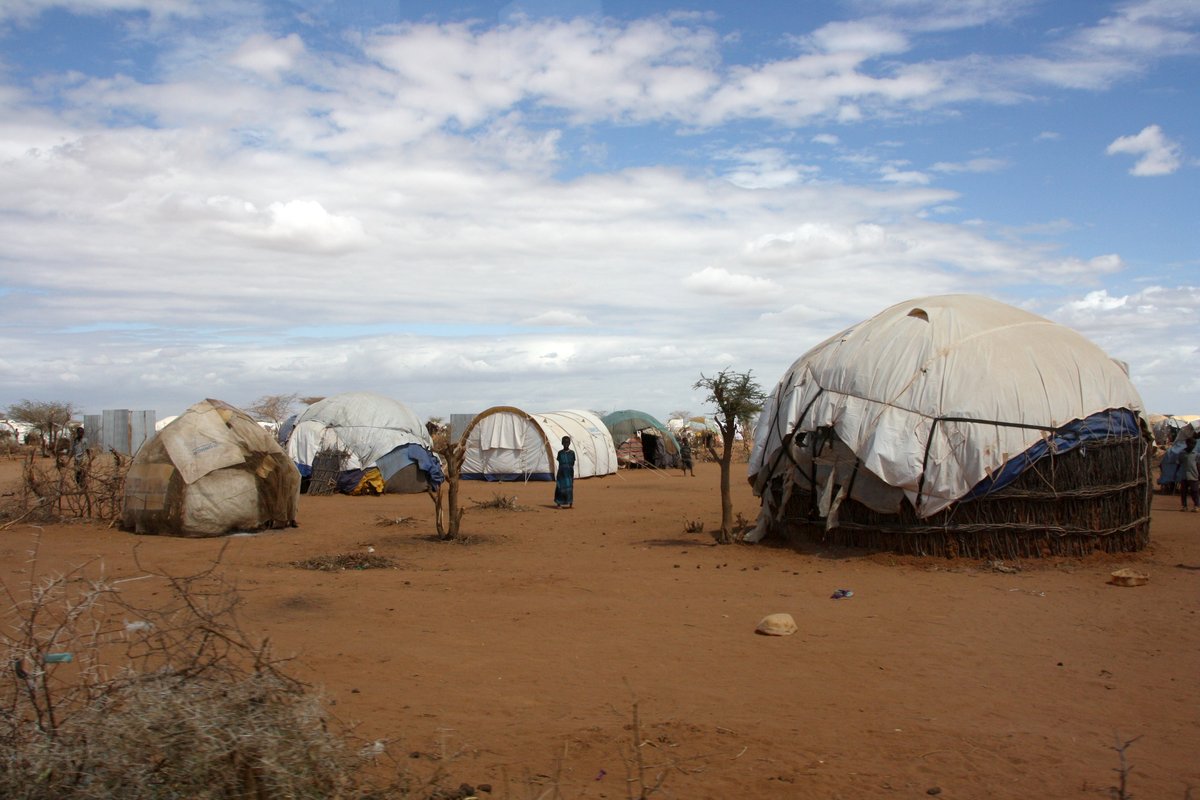
The Government of Kenya launched the Shirika Plan on 28 March 2025. “Shirika” is Swahili for coming together, and the plan is meant to end more than three decades of encampment in Dadaab (Garissa County) and Kakuma (Turkana County). It builds on the Refugees Act 2021 and the Refugee (General) Regulations 2024. Instead of the UN and NGOs running schools, clinics and water points for refugees alongside thinner county services for host communities, the camps are to become municipalities administered by the two counties, with refugees and hosts using the same public services.
Key facts NGOs should have on hand
| Item | Detail |
|---|---|
| Launch date | 28 March 2025, by the Government of Kenya |
| Legal basis | Refugees Act 2021; Refugee (General) Regulations 2024 |
| Population targeted | 843,165 refugees and asylum-seekers in Dadaab and Kakuma, plus host communities |
| Refugees and asylum-seekers in Kenya | 836,466 at the end of February 2026 (UNHCR data) |
| Refugees in Turkana alone | More than 320,000 (UN in Kenya, September 2026) |
| Phases | Transition to 2027; stabilisation to 2031; resilience to 2035 |
| Long-term goal | 900,000+ people integrated into national systems by 2035 |
| Estimated initial cost | About US$943 million, shared by government, World Bank, other donors and private financiers |
| Early financing | US$215 million from the World Bank’s concessional arm for health services in Turkana and Garissa |
What happened at the September 2026 UN mission to Kakuma?
From 2 to 4 September 2026, heads of agencies and senior programme leads from 14 UN entities visited Kakuma and Kalobeyei with national and Turkana County officials. The delegation was led by UN Resident Coordinator Dr Garry Conille, UNHCR Representative Fatima Mohammed Cole and Acting Commissioner for Refugee Affairs Mercy Mwasaru.
The mission reviewed health, education, WASH, shelter, energy, social protection and livelihoods. Its main conclusion was a sober one: opening county services to refugees means little unless those services get more staff, medicines, teachers, classrooms and maintained water systems. Turkana’s Deputy Governor, Dr John Erus, tied the transition to the county’s own development priorities, the Kalobeyei Integrated Socio-Economic Development Plan (KISEDP) and its ASPIRE Roadmap.
For NGOs, the most telling line came from Dr Conille: “No single agency can deliver the Shirika Plan alone.” The UN Country Team says it will organise its support around government and county priorities rather than separate agency programmes. The findings will feed into the next UN Sustainable Development Cooperation Framework for Kenya. Expect partner selection and funding to follow that framework.
How does Shirika change the role of NGOs?
Implementation is led by government with a multi-stakeholder coalition that includes UNHCR, development partners, NGOs and faith-based organisations. Funding is expected to flow through several channels, including county governments, ministries and international NGOs. But the direction is clear: service delivery moves step by step from UN agencies and NGOs to Garissa and Turkana counties.
In practice, that shift looks like this:
- From provider to strengthener. Running a parallel clinic or school is giving way to seconding staff, training county teams and handing over facilities that meet national standards.
- From refugee-only to area-based. Programmes are expected to serve refugees and host communities in the same geography. Projects that only target camp residents will be harder to fund.
- From humanitarian to development money. Municipal status is the channel for World Bank and other infrastructure finance. Grant-funded relief alone won’t carry the transition.
- From consulting refugees to involving them. Advocates such as USCRI have urged that refugee-led organisations (RLOs) help run the Shirika Plan Implementation Framework, not just be consulted on it.
Why does funding make this harder in 2026?
Shirika arrived just as humanitarian budgets fell. The United States had funded more than two-thirds of refugee food aid in Kenya. In 2025 WFP cut refugee rations to 28% of a full basket, the lowest level on record in Kenya, and suspended cash transfers. USCRI’s one-year statement said these cuts had deepened vulnerability and set back progress under the plan.
The strain hasn’t eased. The latest IPC analysis projects about 430,000 refugees in Kenya to face Crisis-level (Phase 3) food insecurity or worse between November 2026 and January 2027. We break down those figures in our World Food Day 2026 guide for Kenyan NGOs.
The practical upshot: protection and life-saving aid are still needed, and the plan says they’ll be kept for those who need them. But new money is more likely to back system-building, livelihoods and municipal infrastructure than stand-alone relief.
What are host communities and refugees worried about?
You can’t run a good programme in Dadaab or Kakuma without understanding the politics. Reporting by The New Humanitarian found that some MPs in Garissa and Turkana oppose the plan, citing pressure on water, pasture, security and services that hosts already lack. Pastoralists worry municipal expansion will take more grazing land. Researchers have also noted that the two counties hadn’t yet included refugees in their population and municipal data, which makes planning harder.
Refugees have concerns too. Many fear integration will end humanitarian support before county services can fill the gap. Freedom of movement under the plan stays largely within the two counties. And refugees don’t have elected representatives at county level, so they need other ways to be heard.
For NGOs, this argues for visible host-community benefits in every project, conflict-sensitive design, and honest communication about what Shirika does and doesn’t change.
What should NGOs working in Dadaab and Kakuma do now?
1. Map your services against county plans
List every service you run and identify the county department that will eventually own it. Then work with that department on a handover timeline that matches the 2027, 2031 and 2035 phase dates.
2. Design for both communities
Build host-community benefit into targeting, staffing and procurement. Use the KISEDP experience in Turkana, which already plans services around shared geography rather than separate populations.
3. Back refugee documentation and inclusion
Immigration PS Belio Kipsang said in May 2026 that refugee identity documents are opening access to mobile connectivity and financial services. Helping people obtain and use documents, register for health cover and open accounts is a direct contribution to the plan. WASH partners can find related funding pointers in our guide to WASH programmes and funding in Kenya.
4. Partner with refugee-led organisations
Fund RLOs directly where you can, include them in steering structures, and budget for their overheads. Donors are watching who’s being localised. Background on protection work is in our piece on the role of NGOs in protecting refugee rights.
5. Track the right money
Follow the World Bank’s support to the two counties, the UN cooperation framework process and bilateral partners. Germany, for example, reaffirmed its support for Shirika in May 2026 talks with the Department of Immigration.
Where can I read the official plan?
The Department of Refugee Services publishes the Kenya Shirika Plan overview and action plan. For the latest on implementation, read the UN in Kenya’s account of the September 2026 joint mission to Kakuma and Kalobeyei.
Frequently asked questions
Is the Shirika Plan closing Kakuma and Dadaab?
Not in the sense of sending people away. The camps are meant to become municipalities run by Turkana and Garissa counties, with refugees and hosts using the same public services.
Will NGOs still be needed under the Shirika Plan?
Yes, but in a different role. NGOs are part of the implementing coalition, and humanitarian protection continues for those who need it. Over time, though, service delivery passes to the counties, so NGOs will increasingly support systems rather than run them.
When does the Shirika Plan end?
It runs in three phases: transition to 2027, stabilisation to 2031 and resilience to 2035.
How much does the Shirika Plan cost?
The initial stage is estimated at around US$943 million, met by the Kenyan government, the World Bank, other donors and private-sector financiers.
Can refugees in Kenya work and move freely under Shirika?
The Refugees Act 2021 provides for the right to work and to movement within designated areas, but in practice work permits remain hard to obtain. The plan keeps movement largely within Garissa and Turkana counties.
Also worth a read: UNHCR Commends Kenya’s Refugee Integration Plan — from 254.ke, part of the NGO Summit media network.


Leave your comment