

By the NGOs.ke Editorial Team.
World Toilet Day 2026 falls on 19 November, and its theme, “Safe toilets. Equal futures.”, puts gender equality at the centre of sanitation. For Kenyan NGOs that means one practical question: are your latrine, school and community WASH projects built around the needs of women and girls? About 8% of Kenyans still defecate in the open, according to the WHO/UNICEF Joint Monitoring Programme (JMP), and the gap between counties is wide. This guide sets out the numbers, the funding signals and a checklist you can use before 19 November.
What is the World Toilet Day 2026 theme?
The UN observance, coordinated by UN-Water, runs under the theme “Safe toilets. Equal futures.” It focuses on how sanitation and gender equality are tied together. The UN’s World Toilet Day page cites these global figures:
- 3.4 billion people, roughly 4 in 10, lack access to safe sanitation (WHO/UNICEF, 2025).
- 1.7 billion people lack a handwashing place with soap and water at home (WHO/UNICEF, 2025).
- 1 in 5 adolescent girls aged 10 to 19 shares unhygienic toilets or goes out in the open (WHO/UNICEF, 2023).
- Fewer than 1 in 3 schools worldwide have menstrual waste bins in girls’ toilets (WHO/UNICEF, 2024).
- In 79 countries, women hold fewer than half of government WASH positions (WHO/UN-Water GLAAS, 2022).
Full details are on the UN World Toilet Day page.
How many Kenyans still practise open defecation?
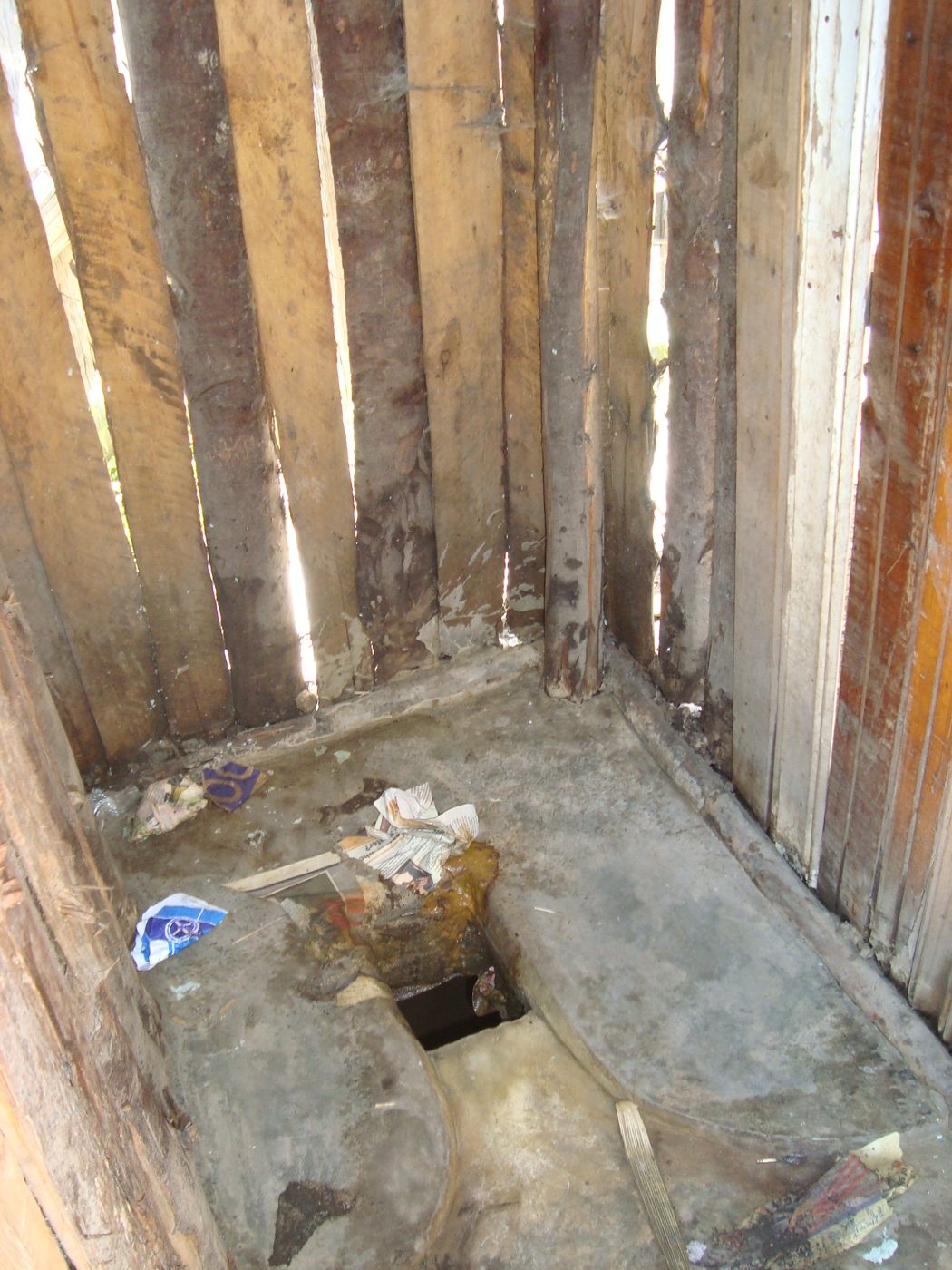
The JMP figure, reported by Business Daily in August 2025, puts open defecation at 8% of Kenyans, down from 12% in 2015. The rural picture is harsher: 18% in 2024, from 26% in 2015. Urban open defecation fell from 4% to 2%. Put plainly, nearly one in five rural residents still has no toilet at all.
Progress is real but slow. The JMP warns that at under half a percentage point of reduction a year, Kenya would need to more than double its efforts to reach zero by 2030, the SDG 6.2 deadline. Reaching it would take at least 1.2 million new latrines, according to the same report as covered by Eastleigh Voice.
Be careful when you quote sanitation statistics in proposals. Different sources measure different things. A separate figure reported by The Standard in February 2026 says only about 30% of Kenyans have access to a basic, private toilet. That is a different indicator from open defecation, so state which definition and which year you are using.
Which Kenyan counties are furthest behind?
Using Kenya National Bureau of Statistics data, Eastleigh Voice reported the share of households with no toilet at the top of the list:
| County | Households without a toilet |
|---|---|
| Turkana | 72.6% |
| Mandera | 72.5% |
| Marsabit | 67.9% |
| Wajir | 63.6% |
More than half of households in Tana River, Bomet, Samburu, Elgeyo Marakwet, Narok and Nyandarua also lack proper facilities. At the other end, Kiambu (99%), Nairobi (97.5%) and Mombasa (96%) report the highest use of improved sanitation. If your funding pitch is for arid and semi-arid counties, these numbers are your strongest evidence of need.
Why does sanitation matter for equality?
Women and girls carry the heaviest cost of missing or unsafe toilets: lost school days during menstruation, risk of harassment when walking to open areas at night, and the daily burden of fetching water for cleaning and handwashing. Poverty compounds it. A 2022 Egerton University study cited by The Standard found the poorest Kenyans are 270 times more likely to practise open defecation than the wealthiest. A basic pit latrine can be a major capital outlay for a rural household earning under Sh10,000 a month.
What funding is moving in Kenyan sanitation?
One recent signal: The Standard reported in February 2026 on a Sh515 million, three-year initiative between the Government of Japan and UNICEF. It targets Garissa, Busia, Wajir and informal settlements in Nairobi such as Kibera and Mukuru wa Njenga, using a market-based sanitation approach. Smaller NGOs can look at partnering with, or subcontracting under, such programmes rather than competing with them. Our roundup of grants for Kenyan NGOs with November 2026 deadlines shows what else is open now.
What can your NGO do before 19 November?
- Audit your facilities for gender-responsiveness: separate, lockable cubicles, lighting, menstrual waste disposal and water for handwashing.
- Use county-level data in your messaging, not just national averages, and name the source and year.
- Link sanitation to schools. Our guide on school safety and bullying in Kenya covers why safe school spaces matter for girls.
- Plan for the rains. Flooded latrines spread disease; see our El Niño health and food security checklist for NGOs.
- Check your registration and reporting. Community groups running WASH projects should be properly registered; read our CBO registration guide.
- Engage county governments, which hold the sanitation mandate, and invite them to your 19 November event.
Frequently asked questions
When is World Toilet Day 2026?
19 November 2026. It is a UN-recognised day, coordinated by UN-Water.
What is the 2026 World Toilet Day theme?
“Safe toilets. Equal futures.”, focused on the link between sanitation and gender equality.
What percentage of Kenyans practise open defecation?
About 8% nationally and 18% in rural areas, per the WHO/UNICEF JMP data for 2024.
Which Kenyan counties have the lowest toilet access?
Turkana, Mandera, Marsabit and Wajir, where more than 60% of households have no toilet, based on KNBS data reported by Eastleigh Voice.
Can small NGOs take part in World Toilet Day?
Yes. School talks, community clean-up and latrine audits, and county advocacy events all count, and you can share them on social media with the official campaign hashtag.
Figures in this article come from the cited reports as of November 2026. Check the original sources before using them in a funding proposal.


Leave your comment